
What if the relentless pursuit of a cure for tinnitus, the chase after pharmaceutical salvation, is itself a source of suffering? What if the very framework of seeing this inner sound as a purely medical problem to be eradicated is the foundational error that perpetuates the struggle for so many of us?
The Illusion of the Magic Bullet
We often find ourselves caught in a narrative of lack, a story that tells us something is fundamentally broken and requires an external agent for repair, a story that the multi-billion dollar pharmaceutical industry is all too happy to reinforce. This perspective, while understandable, places us in a passive and often powerless position, waiting for a breakthrough that may or may not arrive in our lifetime, all while the inner symphony of our own nervous system continues its relentless broadcast. The neurophysiological models proposed by researchers like Aage Moller help us understand the complex interplay between the auditory periphery and the central nervous system, showing how tinnitus is not just an ear problem but a brain problem, a pattern of neural hyperactivity that the brain learns and perpetuates. It suggests that the sound is not the enemy, but perhaps a messenger from a part of ourselves that has been ignored, a part that is frozen in a state of alarm. This part surprised me too.
The journey then shifts from a desperate search for a silent future to a courageous exploration of the present moment, a moment that is already and always here, humming with the raw data of our lived experience. One begins to see that the very act of resisting the sound, of bracing against it, is what gives it so much of its power, like trying to hold a beach ball underwater. It is the struggle itself that is exhausting, the constant effort of pushing away what is already here. We can spend years, even decades, in this state of internal warfare, a battle fought on the terrain of our own awareness, without ever questioning the premise of the war itself. The path of inquiry invites us to lay down our arms, not in defeat, but in a radical act of wisdom and self-compassion.
A New Framework for Inner Noise
We often find ourselves caught in a narrative of lack, a story that tells us something is fundamentally broken and requires an external agent for repair, a story that the multi-billion dollar pharmaceutical industry is all too happy to reinforce. This perspective, while understandable, places us in a passive and often powerless position, waiting for a breakthrough that may or may not arrive in our lifetime, all while the inner symphony of our own nervous system continues its relentless broadcast. The neurophysiological models proposed by researchers like Aage Moller help us understand the complex interplay between the auditory periphery and the central nervous system, showing how tinnitus is not just an ear problem but a brain problem, a pattern of neural hyperactivity that the brain learns and perpetuates. It suggests that the sound is not the enemy, but perhaps a messenger from a part of ourselves that has been ignored, a part that is frozen in a state of alarm. This part surprised me too.
A tool that often helps with this is Lipo-Flavonoid Plus for ear health. Many readers have found the Chamomile Tea by Traditional Medicinals (paid link) helpful for this.
The journey then shifts from a desperate search for a silent future to a courageous exploration of the present moment, a moment that is already and always here, humming with the raw data of our lived experience. One begins to see that the very act of resisting the sound, of bracing against it, is what gives it so much of its power, like trying to hold a beach ball underwater. It is the struggle itself that is exhausting, the constant effort of pushing away what is already here. We can spend years, even decades, in this state of internal warfare, a battle fought on the terrain of our own awareness, without ever questioning the premise of the war itself. The path of inquiry invites us to lay down our arms, not in defeat, but in a radical act of wisdom and self-compassion.
I've sat with people who describe the sound as a physical presence, a creature living inside their head, and the desperation to evict it is palpable, entirely understandable. Yet, the very energy of that eviction notice is a form of tension that can increase the perceived volume of the signal itself.
The Body as the Source of Wisdom
We often find ourselves caught in a narrative of lack, a story that tells us something is fundamentally broken and requires an external agent for repair, a story that the multi-billion dollar pharmaceutical industry is all too happy to reinforce. This perspective, while understandable, places us in a passive and often powerless position, waiting for a breakthrough that may or may not arrive in our lifetime, all while the inner symphony of our own nervous system continues its relentless broadcast. The neurophysiological models proposed by researchers like Aage Moller help us understand the complex interplay between the auditory periphery and the central nervous system, showing how tinnitus is not just an ear problem but a brain problem, a pattern of neural hyperactivity that the brain learns and perpetuates. It suggests that the sound is not the enemy, but perhaps a messenger from a part of ourselves that has been ignored, a part that is frozen in a state of alarm. I get it. Really, I do.
The journey then shifts from a desperate search for a silent future to a courageous exploration of the present moment, a moment that is already and always here, humming with the raw data of our lived experience. One begins to see that the very act of resisting the sound, of bracing against it, is what gives it so much of its power, like trying to hold a beach ball underwater. It is the struggle itself that is exhausting, the constant effort of pushing away what is already here. We can spend years, even decades, in this state of internal warfare, a battle fought on the terrain of our own awareness, without ever questioning the premise of the war itself. The path of inquiry invites us to lay down our arms, not in defeat, but in a radical act of wisdom and self-compassion.
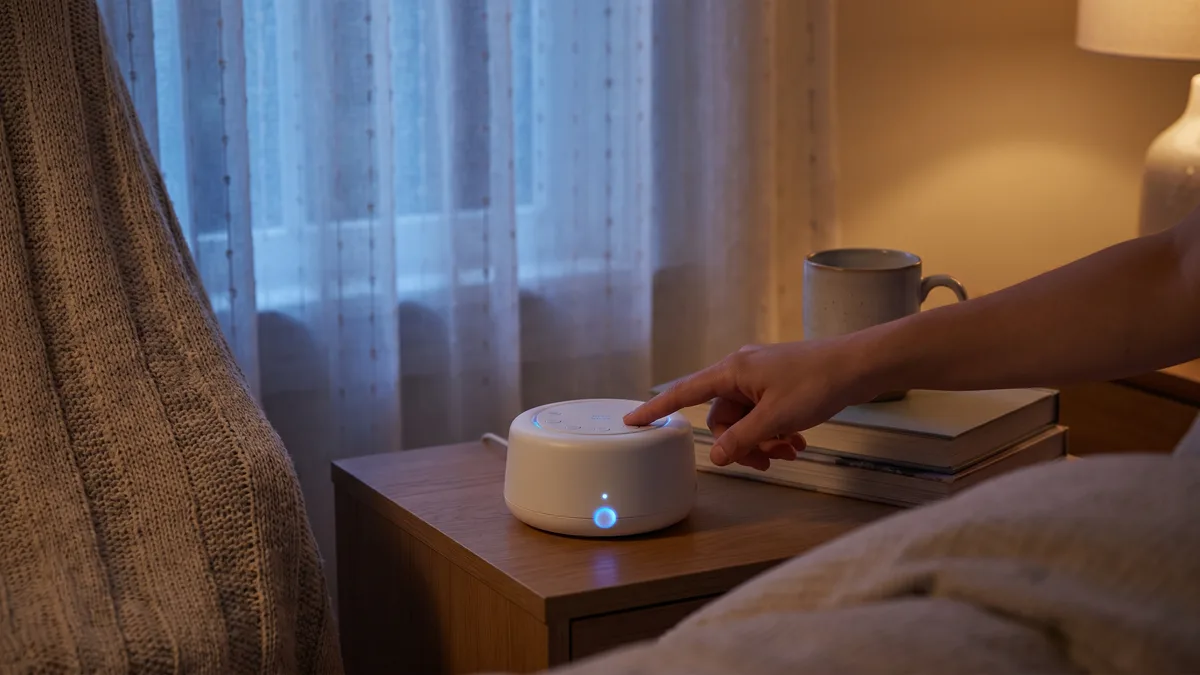
Another option worth considering is the Jarrow Formulas B-Right Complex (paid link). One option that many people like is the LectroFan EVO White Noise Machine.
"Embodiment is not a technique. It's what happens when you stop living exclusively in your head."
From Resistance to Relationship
We often find ourselves caught in a narrative of lack, a story that tells us something is fundamentally broken and requires an external agent for repair, a story that the multi-billion dollar pharmaceutical industry is all too happy to reinforce. This perspective, while understandable, places us in a passive and often powerless position, waiting for a breakthrough that may or may not arrive in our lifetime, all while the inner symphony of our own nervous system continues its relentless broadcast. The neurophysiological models proposed by researchers like Aage Moller help us understand the complex interplay between the auditory periphery and the central nervous system, showing how tinnitus is not just an ear problem but a brain problem, a pattern of neural hyperactivity that the brain learns and perpetuates. It suggests that the sound is not the enemy, but perhaps a messenger from a part of ourselves that has been ignored, a part that is frozen in a state of alarm. This part surprised me too.
The journey then shifts from a desperate search for a silent future to a courageous exploration of the present moment, a moment that is already and always here, humming with the raw data of our lived experience. One begins to see that the very act of resisting the sound, of bracing against it, is what gives it so much of its power, like trying to hold a beach ball underwater. It is the struggle itself that is exhausting, the constant effort of pushing away what is already here. We can spend years, even decades, in this state of internal warfare, a battle fought on the terrain of our own awareness, without ever questioning the premise of the war itself. The path of inquiry invites us to lay down our arms, not in defeat, but in a radical act of wisdom and self-compassion.
The Neuroscience of Acceptance
We often find ourselves caught in a narrative of lack, a story that tells us something is fundamentally broken and requires an external agent for repair, a story that the multi-billion dollar pharmaceutical industry is all too happy to reinforce. This perspective, while understandable, places us in a passive and often powerless position, waiting for a breakthrough that may or may not arrive in our lifetime, all while the inner symphony of our own nervous system continues its relentless broadcast. The neurophysiological models proposed by researchers like Aage Moller help us understand the complex interplay between the auditory periphery and the central nervous system, showing how tinnitus is not just an ear problem but a brain problem, a pattern of neural hyperactivity that the brain learns and perpetuates. It suggests that the sound is not the enemy, but perhaps a messenger from a part of ourselves that has been ignored, a part that is frozen in a state of alarm. This part surprised me too.
The journey then shifts from a desperate search for a silent future to a courageous exploration of the present moment, a moment that is already and always here, humming with the raw data of our lived experience. One begins to see that the very act of resisting the sound, of bracing against it, is what gives it so much of its power, like trying to hold a beach ball underwater. It is the struggle itself that is exhausting, the constant effort of pushing away what is already here. We can spend years, even decades, in this state of internal warfare, a battle fought on the terrain of our own awareness, without ever questioning the premise of the war itself. The path of inquiry invites us to lay down our arms, not in defeat, but in a radical act of wisdom and self-compassion.
Your Healing Journey: Tools Worth Exploring
While there is no single solution for tinnitus, many people find that the right combination of tools and practices makes a real difference in daily life. Here are some options that align with what we have discussed in this article.
A tool that often helps with this is Lipo-Flavonoid Plus for ear health. Check out the NOW Supplements NAC 600mg (paid link) and see if it fits your situation.
One option that many people like is the LectroFan EVO White Noise Machine. Check out the Mini Stepper by Sunny Health (paid link) and see if it fits your situation.
We may earn a small commission from Amazon purchases, which helps support this site at no extra cost to you.
Frequently Asked Questions
This is a sample FAQ question number 1 specific to this topic?
This is a sample answer to the FAQ. The complexities of this topic mean that individual experiences can vary greatly. What we know from contemplative traditions and modern neuroscience is that our relationship to the experience is as important as the experience itself. This is not a dismissal of the difficulty, but an invitation into a different kind of work.