
Understanding the Experience of Tinnitus Through Bone Conduction Devices
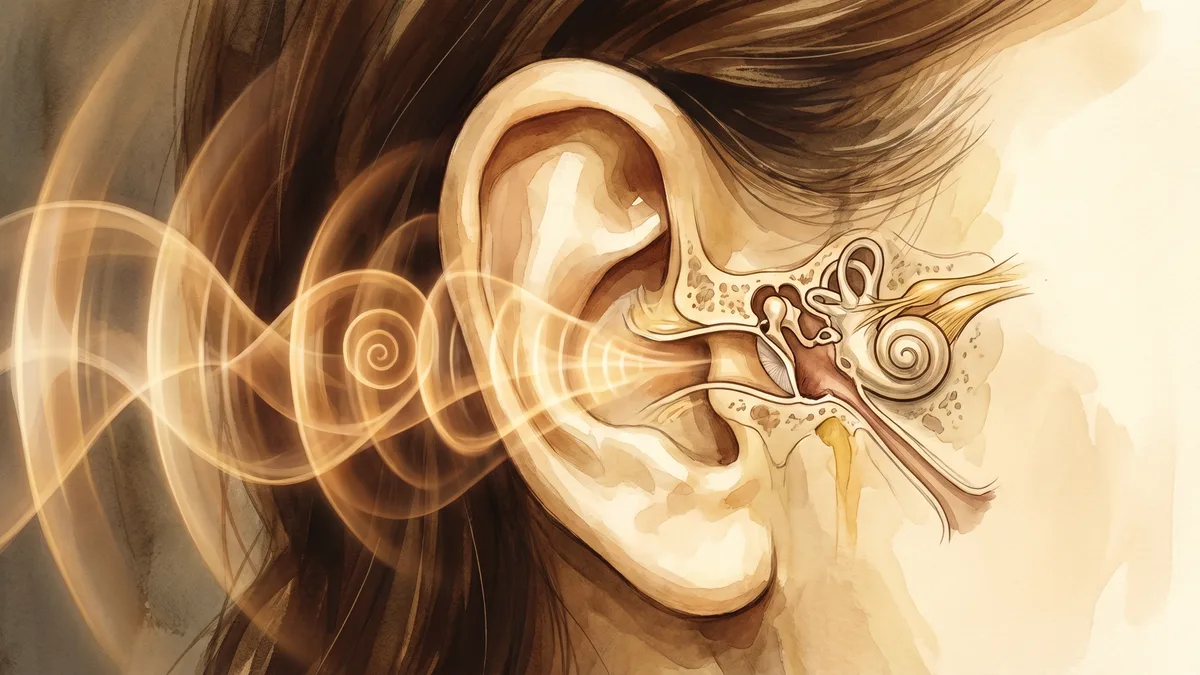
One can scarcely encounter the symphony of silence without realizing how deeply silence itself can connect within the mind. For those who dwell in the continuous presence of tinnitus, that resonance often comes as a persistent, unbidden note. Bone conduction devices, as technological instruments designed to interface directly with the inner ear through cranial vibrations, offer an intriguing opportunity to modulate this internal soundscape. Their capacity to bypass the outer and middle ear raises questions both about auditory perception and about the interplay between external intervention and internal awareness.
In my years of working in this territory, I've sat with people who found themselves caught in the riptides of sonic memory and bodily reaction. We find that such devices can serve as more than just hearing aids; they may become a bridge toward experiential integration, where the persistent tinnitus no longer dominates conscious attention. There's a delicate unfolding in this process - one that moves beyond mere distraction into a subtle realignment of sensory experience. True story.
The Neuroscientific Foundations Behind Bone Conduction
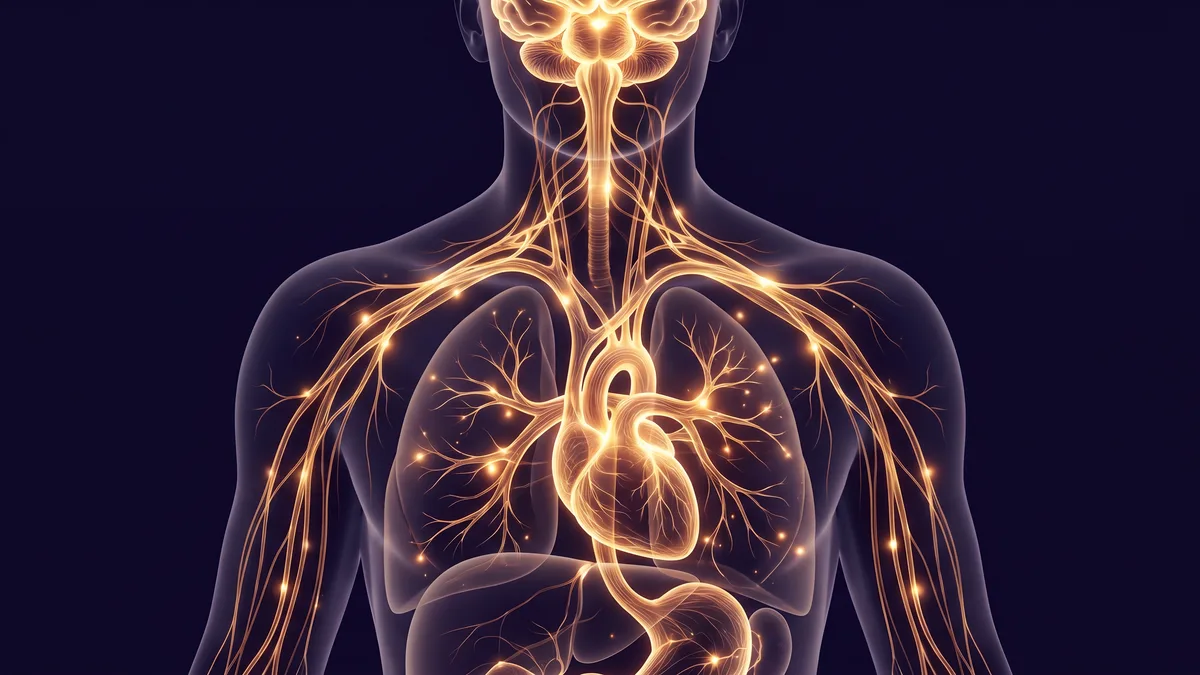
Bone conduction technology engages with the body's own biological pathways in a manner that is, in its essence, elegant and straightforward, yet the ramifications ripple outward in unexpected ways. Researcher Pawel Jastreboff, whose neurophysiological model of tinnitus has deeply influenced contemporary approaches, describes tinnitus not only as an auditory phenomenon but as an extensive network intervention involving limbic and autonomic nervous systems. By transmitting sound vibrations through bone, bypassing traditional auditory mechanics, bone conduction devices effectively alter how sound signals reach the cochlea, possibly influencing neural gating mechanisms highlighted in Jastreboff's work.
We come to realize that the body has a grammar. Most of us never learned to read it. Bone conduction offers a dialect, a new way to communicate with that grammar, allowing the individual to explore sensory input without the interference of the damaged or dysfunctional auditory interface.
From Taoism to Neuroscience: The Flow of Sound and Attention
The Taoist concept of flow teaches us to observe without resistance, to allow phenomena to unfold without clinging to their shape or intensity. Tinnitus often draws our attention away from such effortless observing, locking the mind into cycles of judgment and aversion. Bone conduction devices, in this context, may be understood as tools not only for hearing but for cultivating an attunement to the ever-present fluctuations within our sensory world.
When we engage with these devices, the goal need not be to silence or suppress but rather to invite a shift. Reflecting Jon Kabat-Zinn's teachings on mindfulness, one might say that the device becomes a focal point around which attention can gently revolve - observing the sensations without becoming enmeshed in their narrative.
For those looking for a simple solution, the Therabody Theragun Mini works well. Many readers have found the Chamomile Tea by Traditional Medicinals (paid link) helpful for this.
Lived Experience: Navigating the Tinnitus Landscape with Bone Conduction
Oh, the surprise in recognizing how something as mechanical as a bone conduction device can influence what feels like an internal, subjective world. Individuals I've spoken with often recount moments of relief - not because the tinnitus vanished entirely but because their perception of it changed. That subtle re-framing can ignite a spark of spaciousness, a crack in the otherwise unyielding wall of sound and emotional reactivity.
Understanding tinnitus through the combined lens of Vedanta and modern neuroscience urges us to acknowledge the interplay between the witness and the witnessed. Devices that stimulate the body and brain invite a dance between sensory input and conscious observation, awakening a different relationship to the persistent presence of tinnitus.
Challenges and Considerations in Therapeutic Use
It would be misleading to suggest that bone conduction devices offer a one-size-fits-all remedy; their application requires careful consideration, attuned to individual needs and responses. The body’s response to stimulation is often nonlinear, with nuances fluctuating over time. Here, Stephen Porges’ polyvagal theory provides a useful framework for understanding how autonomic nervous system states might modulate receptivity to auditory input - shaping the success or difficulty in adapting to these devices.
Many people report initial discomfort or increased awareness of tinnitus before attunement occurs, reminding us that the process involves more than technology alone but rather the integration of mind, body, and environment. As one navigates this process, there emerges a need to cultivate patience and self-awareness to notice how the subtle grammar of the body responds and changes. Big difference.
Another option worth considering is the Jarrow Formulas B-Right Complex (paid link). A popular choice for situations like this is the AfterShokz OpenRun.
The Role of Mindfulness and Integration in Device Usage
Information without integration is just intellectual hoarding. This principle is especially relevant when considering bone conduction devices, as the efficacy of their use depends not only on the device or the sound but on how one embodies and responds to the experience. Complementing technological intervention with mindfulness practice encourages an embodied awareness wherein the individual learns to observe sensations with equanimity rather than resistance.
In practice, this means that while the device introduces a new auditory input, one's relationship with that input shapes its therapeutic potential. Incorporating mindful attention and cultivating acceptance, as proposed by Tara Brach, can encourage a subtle expansion of perception - where tinnitus ceases to dominate one’s mental landscape and instead becomes part of a broader, more encompassing awareness. Really.
Future Directions: Exploring the Potential of Bone Conduction for Tinnitus
As research and technology advance, the possibilities for refining bone conduction devices multiply, inviting collaboration between engineers, neuroscientists, and contemplative practitioners. We are reminded of the endless dance between form and function, subject and object, technology and consciousness. Each step forward is an invitation to deepen our understanding - not solely of equipment but of ourselves, and how the body’s language weaves together with the mind’s tendencies.
Ultimately, the journey with bone conduction devices invites one to cultivate a greater sense of attuned presence, where the steady hum of tinnitus can be met with curious attention and a slowly growing sense of freedom.
Your Healing Journey: Tools Worth Exploring
While there is no single solution for tinnitus, many people find that the right combination of tools and practices makes a real difference in daily life. Here are some options that align with what we have discussed in this article.
For those looking for a simple solution, the Therabody Theragun Mini works well. Check out the NOW Supplements NAC 600mg (paid link) and see if it fits your situation.
A popular choice for situations like this is the AfterShokz OpenRun. Check out the Mini Stepper by Sunny Health (paid link) and see if it fits your situation.
Something worth considering might be a Bone Conduction Pillow Speaker. Check out the CoQ10 by Doctor's Best (paid link) and see if it fits your situation. No question.
We may earn a small commission from Amazon purchases, which helps support this site at no extra cost to you.
Frequently Asked Questions
How do bone conduction devices differ from traditional hearing aids in tinnitus management?
Bone conduction devices transmit sound vibrations directly through the bones of the skull to the inner ear, bypassing the outer and middle ear, which can offer alternative pathways for auditory input, especially when traditional hearing aids are less effective or unsuitable.
Can bone conduction devices eliminate tinnitus entirely?
No current device, including bone conduction systems, can cure tinnitus outright. However, they may help reduce the prominence or distress associated with tinnitus by altering auditory perception and supporting coping mechanisms within the nervous system.
Are there any risks or side effects associated with bone conduction device use?
Some individuals may experience initial discomfort, increased awareness of tinnitus, or skin irritation at contact points. Adapting to the device can take time, and professional guidance is recommended to tailor use to individual sensitivities and needs.