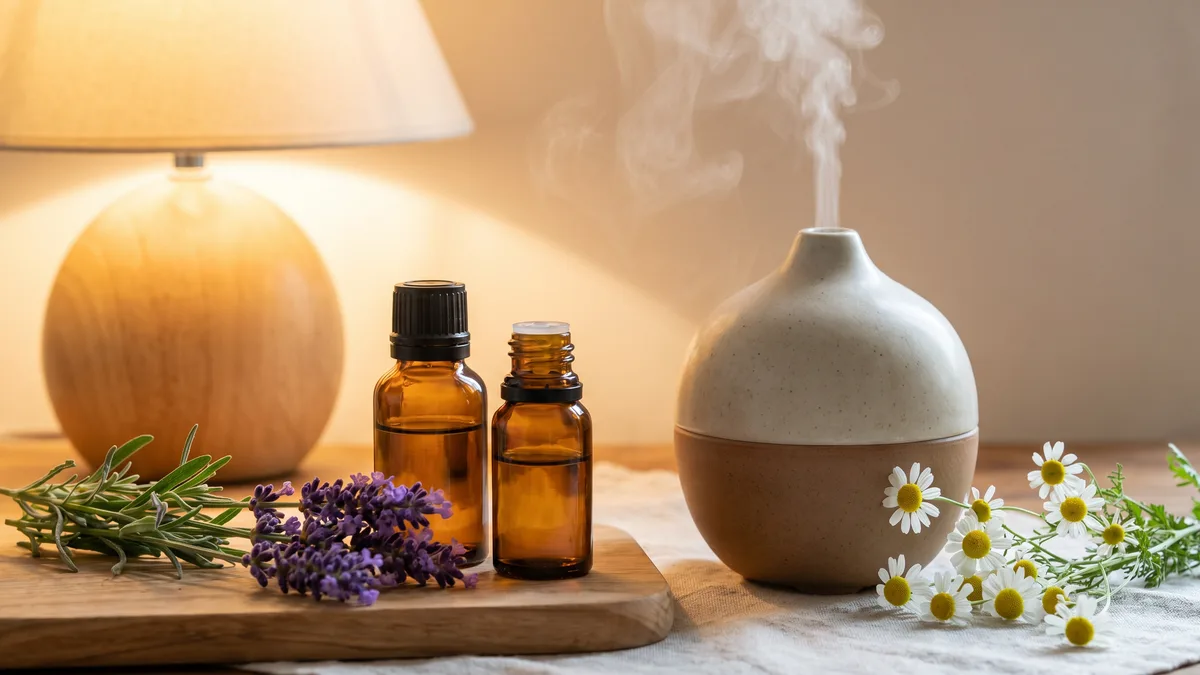

The Body as a Barometer
Why does the internal ringing seem to swell with the coming of a winter storm, or quiet to a whisper on a dry, sun-drenched afternoon? We tend to think of ourselves as separate from our environment, sealed off within the confines of our skin, but the body knows a different truth. It is a porous, resonant instrument, constantly in dialogue with the world around it, responding to shifts in barometric pressure, humidity, and light with a subtlety that our conscious minds often fail to register. For those living with tinnitus, this dialogue can become intensely increased, with the auditory system acting as a sensitive barometer for atmospheric change. This isn't a metaphysical proposition; it's a physiological reality rooted in the complex connections between the inner ear, the sinuses, and the autonomic nervous system.
I get it. Really, I do. When you're already struggling with a persistent internal noise, the idea that even the weather can influence it can feel deeply discouraging, another loss of control. But we can also frame this sensitivity in a different way, not as a weakness, but as a heightened form of awareness, a direct, felt experience of our interconnectedness with the natural world. The work, then, is not to fight against this sensitivity, but to learn how to listen to its signals and how to create a more resilient inner environment that is less easily thrown off balance by these external fluctuations. It's a shift from seeing the body as a faulty machine to honoring it as a living, responsive system.
The Dance of Pressure and Fluid
Think about that for a second. The structures of the inner ear, where the phantom sounds of tinnitus are often generated, are exquisitely sensitive to pressure changes. These are not just abstract concepts; they are physical forces. When the barometric pressure in the atmosphere drops, as it does before a storm, the relative pressure inside the middle and inner ear can change, affecting the delicate balance of fluids within the cochlea and vestibular system. This can irritate the sensitive hair cells and nerve endings, leading to a spike in the perceived volume or pitch of the tinnitus. For many, changes in humidity can have a similar effect, influencing the viscosity of these fluids and the function of the Eustachian tube, which is responsible for equalizing pressure.
In my years of working in this territory, I have sat with countless individuals who have learned to predict the weather with more accuracy than the local news, simply by paying attention to the shifting character of their tinnitus. This intimate, embodied knowledge is a powerful starting point. It's a clue from the body, inviting us to explore practices that support the healthy regulation of fluid and pressure within the system. This could involve simple things like staying well-hydrated, using a saline nasal spray to keep the sinuses clear, or practicing gentle neck stretches to release tension that can impede fluid dynamics in the head and neck. It's a very practical, grounded way of engaging with what can feel like a mysterious and uncontrollable symptom.
You could also try an Ice Roller for face and neck tension. Many readers have found the Chamomile Tea by Traditional Medicinals (paid link) helpful for this.
“Your nervous system doesn't care about your philosophy. It cares about what happened at three years old.”
Beyond the Physical: The Climate of the Mind
The connection between seasonal changes and tinnitus is not purely mechanical. We must also consider the psychological and emotional climate that accompanies these shifts. The shorter, darker days of winter, for example, can have a significant impact on mood and energy levels, a condition sometimes known as Seasonal Affective Disorder. This lowering of our emotional baseline can, in turn, reduce our capacity to cope with the tinnitus, making it seem louder and more intrusive, even if the raw signal strength hasn't actually changed. Our perception of the sound is not a neutral event; it is deeply colored by our emotional state. When we feel depleted, anxious, or low, our tolerance for the internal noise plummets.
Here is where we can draw on the wisdom of thinkers like Alan Watts, who so brilliantly translated Eastern philosophical concepts for the Western mind. Watts often spoke of the futility of resisting inevitable change, of trying to hold onto the pleasant and push away the unpleasant. The changing seasons, and the corresponding fluctuations in our tinnitus, provide a perfect opportunity to practice this principle of non-resistance. Instead of tensing up in anticipation of a 'bad' tinnitus day when the weather turns, what if we could meet it with a kind of curious acceptance? What if we could use it as a reminder to turn inward and offer ourselves a bit more warmth and support, just as we might pull on a sweater on a cold day?
“You cannot think your way into a felt sense of safety. The body has its own logic.”
Cultivating an Inner Season of Ease
If we know that certain seasons are more challenging for our system, we can engage in a form of proactive self-care. We can consciously build more restorative practices into our lives during those times. This isn't about trying to prevent the fluctuations from happening, but about increasing our own resilience so that they have less of an impact. If winter is a difficult time, perhaps that is the season to be more diligent with a gentle yoga practice, to prioritize warm, nourishing foods, or to ensure we are getting adequate exposure to natural light. It's about working with the cycles of nature, rather than feeling like a victim of them.
Another option worth considering is the Jarrow Formulas B-Right Complex (paid link). One option that many people like is the Vibes High Fidelity Earplugs.
This approach requires a shift in perspective, from a model of fixing a problem to one of tending a garden. In a garden, we do not command the plants to grow; we create the conditions that are most conducive to their growth. We ensure the soil is nourished, the light is adequate, and the water is sufficient. Similarly, we can learn to tend the garden of our own nervous system, creating an inner environment that is strong and flexible enough to weather the external seasons without being thrown into a state of crisis. This is a practice of deep listening and responsive care, a dance with the rhythms of life, both internal and external.
“Most people don't fear change. They fear the gap between who they were and who they haven't become yet.”
Your Healing Journey: Tools Worth Exploring
While there is no single solution for tinnitus, many people find that the right combination of tools and practices makes a real difference in daily life. Here are some options that align with what we have discussed in this article.
You could also try an Ice Roller for face and neck tension. Check out the NOW Supplements NAC 600mg (paid link) and see if it fits your situation.
One option that many people like is the Vibes High Fidelity Earplugs. Check out the Mini Stepper by Sunny Health (paid link) and see if it fits your situation.
One option that many people like is the Apple AirPods Pro. Check out the CoQ10 by Doctor's Best (paid link) and see if it fits your situation.
You could also try a Fidget Cube for anxious moments. Check out the Nordic Naturals Ultimate Omega (paid link) and see if it fits your situation.
We may earn a small commission from Amazon purchases, which helps support this site at no extra cost to you.
Frequently Asked Questions
Can supplements like Vitamin D help with seasonal tinnitus spikes?
For some individuals, particularly those who live in climates with limited sun exposure in the winter, supplementing with Vitamin D can be beneficial. Vitamin D plays a role in mood regulation and immune function, and a deficiency could potentially exacerbate the low-grade inflammation and mood changes that make tinnitus feel worse. However, it's crucial to consult with a healthcare provider for proper testing and dosage, as it's not a universal solution.
Are there specific mindfulness practices for weather-related tinnitus?
Yes, a very effective practice is to mindfully observe the connection without judgment. When you notice a storm is coming and your tinnitus is spiking, instead of reacting with frustration, you can simply note, 'Ah, the pressure is changing, and my body is responding. Interesting.' This act of neutral observation can uncouple the sensory experience from the emotional reaction, which is often the source of the greatest suffering. It turns the experience into a point of connection with nature, rather than a personal failing.
Does using a humidifier or dehumidifier actually make a difference?
It can. The goal is to maintain a stable indoor environment to buffer against extreme external shifts. In a very dry climate, a humidifier can help keep the mucous membranes of the sinuses and Eustachian tube from becoming irritated. Conversely, in a very damp climate, a dehumidifier can reduce potential inflammation from mold or allergens. It's a practical way to reduce the number of variables your nervous system has to contend with.
What is the single most important thing to do when I feel a seasonal spike coming on?
The most important thing is to consciously down-shift your nervous system. Instead of tensing up and bracing for the worst, which only adds more stress to the system, intentionally engage in a calming activity. This could be five minutes of deep diaphragmatic breathing, listening to a guided meditation, or taking a warm bath. The goal is to send a signal of safety to your body, reminding it that even though the sensory input is unpleasant, you are not in actual danger. This proactive relaxation can significantly blunt the impact of the spike.