
The Histamine Bucket
Imagine that your body has a “histamine bucket.” Every day, this bucket is filled from a variety of sources. There is the histamine that is produced by our own immune cells in response to allergens or injury. There is the histamine that is present in many of the foods we eat, particularly those that are aged, fermented, or leftover. And there is the histamine that is produced by certain bacteria in our gut. In a healthy individual, this bucket is efficiently emptied by two key enzymes, diamine oxidase (DAO) in the gut and histamine N-methyltransferase (HNMT) in the cells. But for a variety of reasons , genetic predispositions, gut dysfunction, certain medications, or a diet high in histamine-rich foods , this drainage system can become sluggish. The bucket begins to fill up, and when it overflows, symptoms appear. The perplexing thing about histamine intolerance is that the symptoms can be delayed and seemingly random, making it incredibly difficult to connect them to a specific trigger. The tinnitus spike you experience on a Tuesday afternoon could be the result of the cumulative histamine load from the past 48 hours, the final drop that caused your bucket to overflow.
In my years of working in this territory, I have seen how this concept of the histamine bucket can be a game-changer for people who have been struggling with chronic, unexplained symptoms. It shifts the focus from a single trigger to the overall load on the system. It explains why you can sometimes eat a high-histamine food with no problem, and other times it sends you into a tailspin. It all depends on how full your bucket is at that particular moment. The work then becomes twofold: to reduce the amount of histamine coming into the bucket, and to improve the efficiency of the drainage system. This is a journey of deep self-study, of becoming a meticulous observer of one’s own body and its reactions. It is a path that requires patience, persistence, and a willingness to let go of the idea of a quick fix. Let that land for a second. This is not about finding a magic pill; it is about fundamentally changing your relationship with your body and the world around you.
The space between knowing something intellectually and knowing it in your body is where all the real work happens.
The Tinnitus Connection
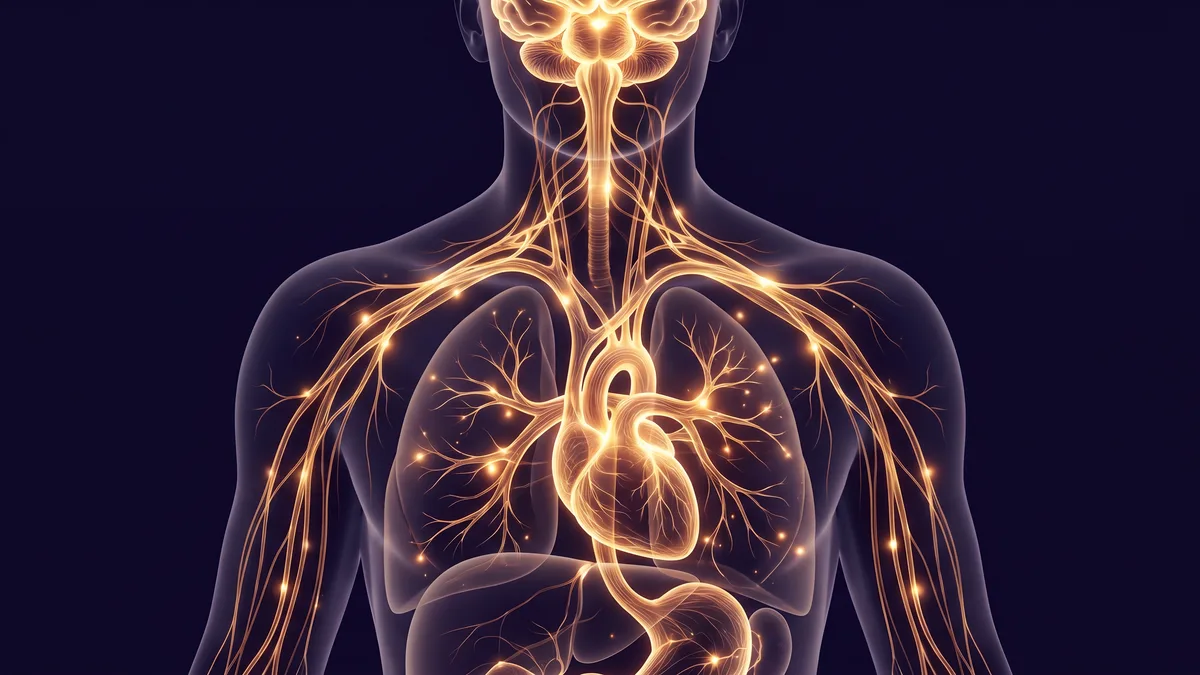
So, how exactly does an overflowing histamine bucket lead to tinnitus? The precise mechanisms are still being explored, but there are several compelling theories. We know that there are histamine receptors in the inner ear and in the auditory pathways of the brain. When these receptors are overstimulated by excess histamine, it can lead to inflammation and fluid shifts in the inner ear, potentially altering the delicate mechanics of hearing. It can also directly affect the firing of the auditory nerves, creating a state of hyperexcitability that the brain interprets as sound. The work of researchers like David Baguley, who has done extensive work on the mechanisms of tinnitus and hyperacusis, has helped to illuminate the complex interplay between the auditory system and other systems in the body. His work reminds us that the ear is not an isolated organ, but is deeply embedded in the larger neuro-immune network.
And, histamine is a powerful neurotransmitter in the brain, playing a key role in regulating the sleep-wake cycle, attention, and arousal. When histamine levels are chronically raised, it can contribute to a state of anxiety and hypervigilance, a feeling of being constantly “on alert.” This is a state that will be all too familiar to anyone who has struggled with chronic tinnitus. The brain becomes fixated on the sound, perceiving it as a threat, and the limbic system gets locked into a feedback loop of fear and anxiety, which only serves to increase the perception of the sound. A client once described this as feeling like there was a fire alarm going off in his head 24/7. The histamine is not the fire, but it is the accelerant, the thing that is fanning the flames and making it impossible for the nervous system to find a state of rest and safety.
Something worth considering might be a Weighted Eye Mask. Many readers have found the Chamomile Tea by Traditional Medicinals (paid link) helpful for this.
Consciousness doesn't arrive. It's what's left when everything else quiets down.
Lowering the Water Level
If you suspect that histamine intolerance may be playing a role in your tinnitus, the first and most important step is to begin on a low-histamine diet. This is an elimination diet, not a forever diet. The goal is to dramatically reduce the amount of histamine coming into your bucket for a period of 3-4 weeks, to allow your system to calm down and your enzymes to catch up. This means strictly avoiding high-histamine foods such as aged cheeses, cured meats, fermented foods (like sauerkraut and kombucha), alcohol (especially red wine), and leftovers. It also means focusing on fresh, whole, unprocessed foods, cooked from scratch. This can be a challenging and socially isolating process, and it requires a significant amount of planning and preparation. But for many, the results can be dramatic and life-changing.
After the initial elimination phase, if you have noticed a significant improvement in your symptoms, you can begin the process of reintroduction. Here is where you systematically challenge your body with small amounts of high-histamine foods, one at a time, to determine your individual threshold. This is a crucial step, as the goal is not to live on a restrictive diet forever, but to expand your diet to be as diverse and inclusive as possible, while still managing your symptoms. It is a process of learning your own body, of discovering which foods are your biggest triggers and which you can tolerate in moderation. It is about moving from a place of fear and restriction to a place of empowerment and self-knowledge.
Awareness doesn't need to be cultivated. It needs to be uncovered.
Supporting the System
In addition to a low-histamine diet, there are several other strategies that can help to support your body’s ability to manage histamine. Certain supplements can be very helpful, such as DAO enzymes taken before meals to help break down histamine in the gut. Quercetin, a natural plant flavonoid, is a potent mast cell stabilizer, which means it can help to reduce the amount of histamine being released by your own immune cells. Vitamin C and vitamin B6 are also important cofactors for the enzymes that break down histamine. It is also crucial to address the underlying health of the gut. An imbalanced gut microbiome, or “leaky gut,” can be a major driver of histamine intolerance. Working with a practitioner to heal the gut lining and restore a healthy balance of gut bacteria is often a key piece of the puzzle.
But perhaps the most important and often overlooked aspect of managing histamine intolerance is managing stress. The stress hormone cortisol can directly impact the activity of the DAO enzyme, and a chronically activated stress response can keep the body in a state of high alert, making it more reactive to histamine. This is why practices like meditation, deep breathing, and spending time in nature are not just “nice to have” but are essential components of any healing protocol. They are the tools that allow us to down-regulate the nervous system, to shift out of the fight-or-flight mode, and to create a state of inner safety and calm. This is the foundation upon which all other healing can be built. It is the work of coming home to the body, of learning to listen to its wisdom, and of trusting in its innate capacity for balance and wholeness.
Another option worth considering is the Jarrow Formulas B-Right Complex (paid link). A tool that often helps with this is a Tai Chi for Beginners DVD.
Your Healing Journey: Tools Worth Exploring
While there is no single solution for tinnitus, many people find that the right combination of tools and practices makes a real difference in daily life. Here are some options that align with what we have discussed in this article.
Something worth considering might be a Weighted Eye Mask. Check out the NOW Supplements NAC 600mg (paid link) and see if it fits your situation.
A tool that often helps with this is a Tai Chi for Beginners DVD. Check out the Mini Stepper by Sunny Health (paid link) and see if it fits your situation.
For those looking for a simple solution, the Therabody Theragun Mini works well. Check out the CoQ10 by Doctor's Best (paid link) and see if it fits your situation.
We may earn a small commission from Amazon purchases, which helps support this site at no extra cost to you.
Frequently Asked Questions
What are the main symptoms of histamine intolerance?
Histamine intolerance can manifest in a wide variety of symptoms, which can make it difficult to diagnose. The most common symptoms include headaches and migraines, digestive issues (like bloating, diarrhea, and stomach pain), skin problems (like hives, itching, and flushing), respiratory issues (like a runny nose and nasal congestion), and neurological symptoms (like anxiety, brain fog, and dizziness). Tinnitus is also a commonly reported symptom.
What are the highest histamine foods to avoid?
The highest histamine foods are generally those that are aged, fermented, or processed. This includes aged cheeses, cured meats (like salami and bacon), smoked fish, fermented foods (like sauerkraut, kimchi, and kombucha), alcohol (especially red wine and beer), and leftovers. Certain fruits and vegetables, like spinach, avocado, and tomatoes, are also high in histamine.
How long do I need to be on a low-histamine diet?
The initial elimination phase of a low-histamine diet is typically 3-4 weeks. This is usually long enough to see a significant reduction in symptoms if histamine intolerance is a contributing factor. After this phase, you can begin to reintroduce foods one at a time to determine your individual tolerance. The goal is not to stay on a restrictive diet forever, but to find a sustainable way of eating that keeps your symptoms at bay.
Can I ever eat high-histamine foods again?
Yes, for most people, the goal is to be able to reintroduce many high-histamine foods back into their diet. The key is to first heal the underlying issues that are contributing to the histamine intolerance, such as gut dysfunction and nutrient deficiencies. Once the system is more balanced, many people find that they can tolerate a much wider range of foods without issue. It is a process of building resilience in the system, rather than a lifelong avoidance.
Are there any tests for histamine intolerance?
The gold standard for diagnosing histamine intolerance is a 3-4 week elimination diet. If your symptoms improve significantly on a low-histamine diet and then return when you reintroduce high-histamine foods, that is a strong indication that you have an issue with histamine. There are some lab tests available, such as measuring DAO enzyme levels or histamine in the blood, but these can be unreliable and are not always accurate. The dietary trial remains the most effective diagnostic tool.