
The Architecture of the Head
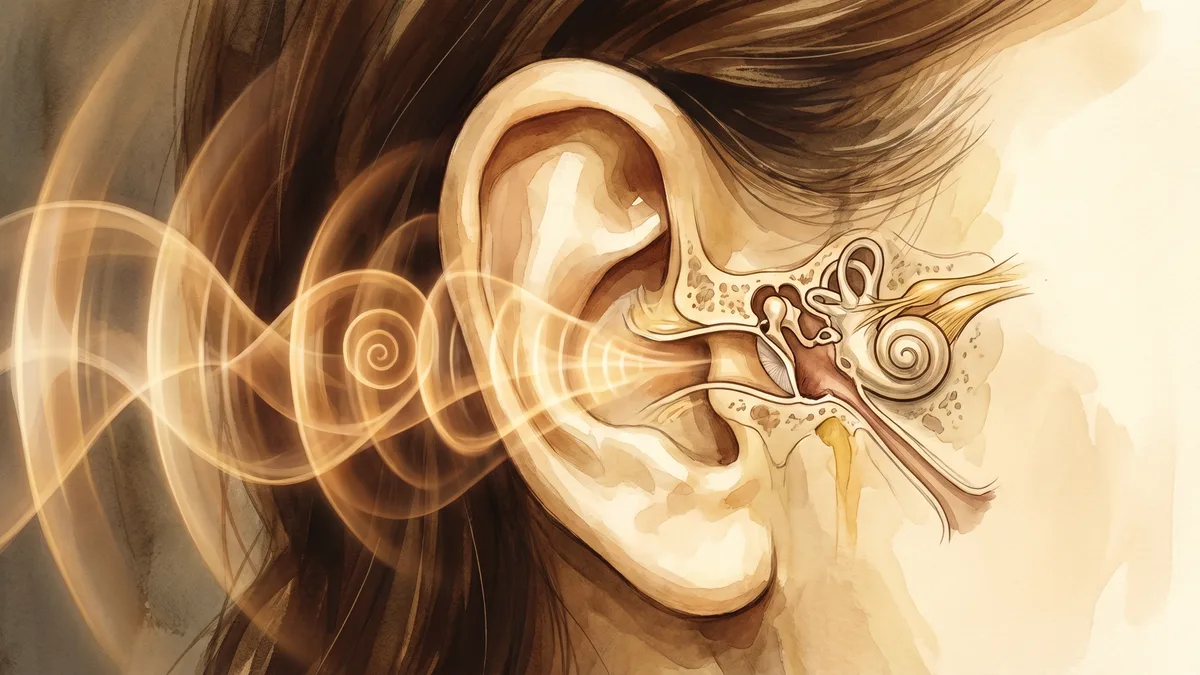
To understand how a runny nose can make your ears ring louder, we need to appreciate the complex and interconnected architecture of the head. The ears, nose, and throat are not separate, isolated systems, they are a continuous and communicating network of passages, tubes, and membranes. The Eustachian tube, a small canal that connects the middle ear to the back of the throat, is the crucial link in this network. Its job is to equalize the pressure between the middle ear and the outside world, to ensure that the eardrum can vibrate freely. It is a small but mighty structure, a silent hero of our sensory equilibrium. I get it. Really, I do. We rarely think about these hidden passages until they stop working correctly.
When allergies or a sinus infection strike, the mucous membranes that line these passages become inflamed and swollen. This is the body’s inflammatory response, a well-intentioned but often overzealous attempt to fight off what it perceives as a foreign invader. This swelling can cause the Eustachian tube to become blocked, trapping fluid and creating a pressure differential in the middle ear. The result is that familiar feeling of fullness or clogging, a sense that your ears need to “pop.” This pressure change can interfere with the normal functioning of the middle and inner ear, leading to a temporary hearing loss and, for many, a significant spike in their tinnitus. The sound is not actually louder, but our perception of it is increased because the external sounds that would normally mask it are being muffled.
This is a purely mechanical issue, a problem of plumbing. But for someone living with chronic tinnitus, it can feel like so much more. It can feel like a setback, a betrayal, a confirmation of the fear that the sound is getting worse and will never go away. The physical discomfort of the allergies becomes entangled with the psychological suffering of the tinnitus, creating a potent cocktail of misery. The work, then, is twofold. It is to address the underlying physical issue of the inflammation, and it is to address the reactive, fearful mind that is increasing the suffering. Stay with me here. This distinction is crucial.
The Inflammatory Cascade and the Brain
The connection between allergies and tinnitus is not just mechanical, it is also biochemical. The inflammatory response that is triggered by allergens is not just localized to the sinuses, it is a systemic event. The same inflammatory cytokines that cause your nose to run and your eyes to itch are also circulating throughout your body and your brain. This systemic inflammation can have a powerful effect on the nervous system, making it more sensitive and reactive. It is like pouring gasoline on the fire of an already sensitized brain.
Here is where the insights of modern neuroscience, particularly in mindfulness and its effect on the brain, become so relevant. Researchers like Jon Kabat-Zinn have shown that mindfulness practice can have a powerful anti-inflammatory effect on the body. By calming the nervous system and reducing the production of stress hormones like cortisol, mindfulness can help to down-regulate the inflammatory cascade. This is not just a nice idea, it is a measurable, biological effect. The practice of bringing a calm, non-judgmental awareness to our experience can literally change our biochemistry.
A tool that often helps with this is the Gaiam Wobble Cushion. Many readers have found the Chamomile Tea by Traditional Medicinals (paid link) helpful for this.
Thinkers like Sam Harris have further illuminated this connection by pointing out how our thoughts themselves can be a source of inflammation. When we are caught in a loop of anxious, fearful thinking about our tinnitus, we are activating the same stress pathways that are activated by a physical threat. We are, in a very real sense, creating stress and inflammation with our own minds. The story we tell ourselves about the tinnitus, the story of “this is terrible, I can’t stand it,” is not just an innocent commentary. It is an active ingredient in the recipe of our suffering. It is a self-fulfilling prophecy, creating the very neurochemical environment that makes the tinnitus worse.
"Attention is the most undervalued resource you have. Everything else follows from where you place it."
The Paradox of Acceptance in a Pollen Storm
So, what does it mean to practice acceptance when your head feels like it’s in a vice and your ears are screaming? It does not mean pretending that you are not miserable. It does not mean passively resigning yourself to a state of suffering. It means acknowledging the reality of the present moment, in all its unpleasantness, without adding the second layer of mental and emotional resistance. It is the willingness to feel the fullness in your head, to hear the ringing in your ears, and to meet that direct experience with a sense of kindness and curiosity, rather than fear and hatred.
This is the great paradox of acceptance. Nothing changes until you stop demanding that it does. As long as you are at war with your experience, as long as you are desperately trying to escape the present moment, you are fueling the fire of your own suffering. You are tensing your body, you are flooding your system with stress hormones, and you are directing all of your precious attentional resources to the very thing that is causing you pain. The moment you are willing to let the experience be as it is, even for a moment, something shifts. The body can begin to soften. The nervous system can begin to down-regulate. And the mind, freed from the exhausting task of resistance, can find a measure of peace.
This is not a one-time fix. It is a moment-to-moment practice. It is the practice of noticing the urge to resist, the urge to catastrophize, and gently, kindly, letting it go. It is the practice of returning, again and again, to the anchor of the breath, to the sensation of the body, to the simple fact of being here, now, in the midst of it all. It is the understanding that you cannot control the pollen count, you cannot control the inflammatory response of your body, but you can choose your relationship to your experience. And in that choice lies a significant and unshakable freedom.
Another option worth considering is the Jarrow Formulas B-Right Complex (paid link). A popular choice for situations like this is the WHOOP 4.0.
"The paradox of acceptance is that nothing changes until you stop demanding that it does."
Practical Steps for Navigating the Storm
While the internal work of acceptance is primary, there are also practical, external steps we can take to navigate the challenges of allergies and tinnitus. The first is to be proactive in managing your allergies. This may mean working with an allergist to identify your specific triggers, using a high-quality air purifier in your home, or using saline nasal rinses to help clear the sinus passages. For some, over-the-counter or prescription antihistamines or nasal steroids can be very helpful in reducing the inflammation and swelling that can lead to Eustachian tube dysfunction.
It is also important to pay attention to the things that can support your nervous system in a time of stress. This means prioritizing sleep, as a well-rested nervous system is a more resilient nervous system. It means engaging in gentle movement, which can help to reduce inflammation and to move stagnant fluid in the body. And it means being mindful of your diet, as certain foods can be pro-inflammatory, while others can be anti-inflammatory. This is not about perfection, but about making small, sustainable choices that send a message of safety and care to your body.
But in the end, we must return to the inner landscape. We must return to the cultivation of a mind that is a safe and welcoming place for our experience. This is the work of self-understanding, of seeing the patterns of our own reactivity with a clear and compassionate eye. It is the work of recognizing that our suffering is not caused by the pollen or the pressure or the sound, but by our relationship to them. It is the slow, patient, and ultimately liberating work of untangling ourselves from the stories of the mind and coming to rest in the simple, spacious awareness that is our true nature.
"There’s a meaningful difference between self-improvement and self-understanding. One adds. The other reveals."
A Tender Conclusion: The Unfolding Path
The path of living with a sensitive body in a challenging world is not a straight line. There will be seasons of ease and seasons of difficulty. There will be times when the winds of allergy season blow hard and the inner sound seems to rise to a crescendo. In these moments, the most significant practice is simply to be tender with yourself. To acknowledge the difficulty without judgment. To offer yourself the same kindness and compassion that you would offer to a dear friend who is suffering. This is not a sign of weakness, it is the highest expression of wisdom.
The journey is not about arriving at a destination where the allergies are gone and the tinnitus is silenced. It is about learning to navigate the unfolding weather of your own experience with a growing sense of skillfulness, grace, and self-compassion. It is about discovering that your capacity to hold your own suffering is far greater than you ever imagined. And it is about finding a sense of peace that is not dependent on your circumstances, a peace that is always available, right here, in the heart of this present moment. This peace is your birthright. And every breath is an invitation to come home to it.
"Freedom is not the absence of constraint. It’s the capacity to choose your relationship to it."
Your Healing Journey: Tools Worth Exploring
While there is no single solution for tinnitus, many people find that the right combination of tools and practices makes a real difference in daily life. Here are some options that align with what we have discussed in this article.
A tool that often helps with this is the Gaiam Wobble Cushion. Check out the NOW Supplements NAC 600mg (paid link) and see if it fits your situation.
A popular choice for situations like this is the WHOOP 4.0. Check out the Mini Stepper by Sunny Health (paid link) and see if it fits your situation.
For those looking for a simple solution, the Therabody Theragun Mini works well. Check out the CoQ10 by Doctor's Best (paid link) and see if it fits your situation.
Something worth considering might be the Headache Hat Wearable Ice Pack. Check out the Nordic Naturals Ultimate Omega (paid link) and see if it fits your situation.
We may earn a small commission from Amazon purchases, which helps support this site at no extra cost to you.