
Understanding the Interplay Between Sleep and Tinnitus
Sleep is not merely a passive retreat from the world but an active, dynamic process during which the body conducts remarkable internal work. When one’s sleep is disrupted or insufficient, the entire system - from neural networks to hormonal cascades - can falter in ways that heighten the perception of tinnitus. The subject is complex: the way our brains filter sensory signals depends heavily on the restorative cycles of sleep, which tune down the limbic system’s alertness and recalibrate auditory pathways. Without adequate rest, those neural gatekeepers seem to loosen their vigilance, allowing phantom sounds to swell with overwhelming intensity.
In my years of working in this territory, I've sat with people who describe not only the persistent noise but also the spiraling anxiety and exhaustion that come alongside sleepless nights. It becomes a feedback loop - lack of sleep feeds tinnitus perception, which in turn feeds sleeplessness. Fascinatingly, this interplay reveals much about how deeply interconnected our sensory experience is with fundamental physiological rhythms.
The Neuroscience Behind Sleep Deprivation and Increased Tinnitus
Research spearheaded by neuroscientists such as Jastreboff has illuminated the brain’s role in tinnitus, describing it as a condition of maladaptive neuroplasticity. When sleep is interrupted, the brain's ability to rewire and reprogram itself is compromised, leaving aberrant auditory signals unchecked and more pronounced. And, the prefrontal cortex, which normally helps modulate attention and emotional response to intrusive sounds, suffers when fatigue sets in. This leads to a heightened salience of tinnitus, making what often occurs as a background hiss seem alarmingly close and invasive.
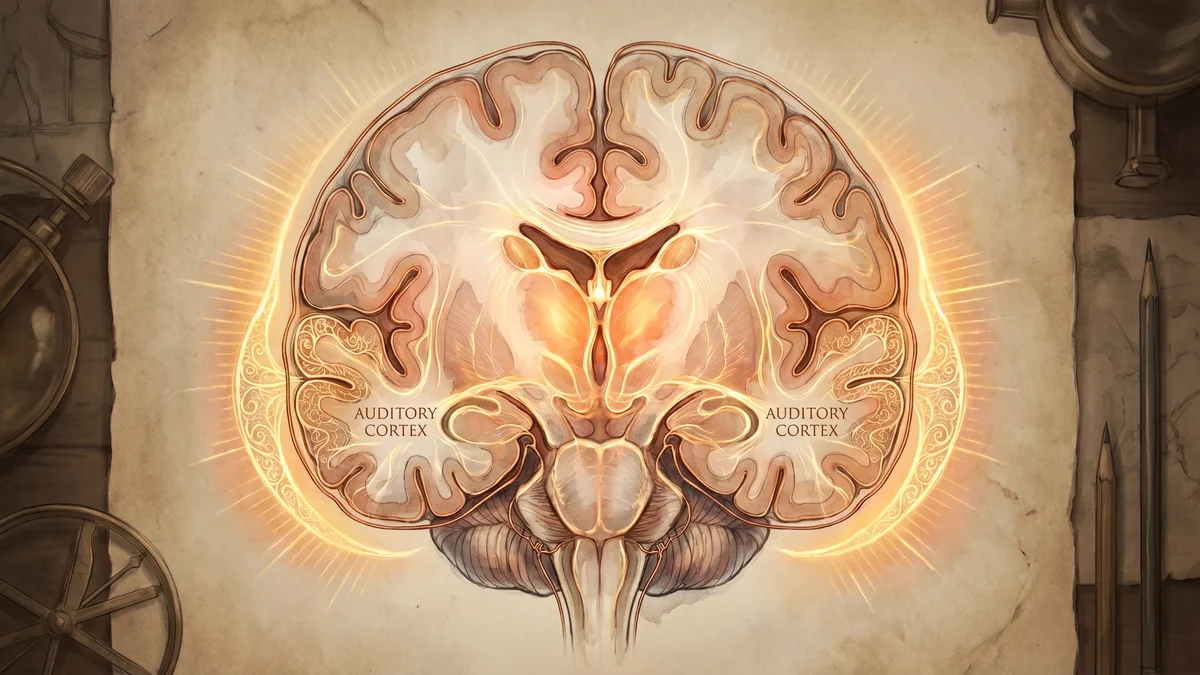
It’s worth noting that scholar Rauschecker’s investigations into the auditory cortex reveal damaged or inefficient filtering of tinnitus signals during states of poor sleep. One might say that without the nightly reset, the brain is less capable of differentiating signal from noise - quite literally, in this scenario.
The Role of the Autonomic Nervous System in Tinnitus Perception
Stephen Porges’ work on the Polyvagal Theory offers an intriguing perspective on how autonomic states influence sensory processing. The sympathetic nervous system's overactivation, common with sleep deprivation, exacerbates the perception of tinnitus by keeping the body in a heightened state of alert. This ‘fight or flight’ dominance can cause the auditory system to increase tinnitus, as if it were a danger signal that must be attended to urgently.
Conversely, when the parasympathetic branch - including the vagus nerve - regains strength during restful sleep, it promotes calming and integration, dampening the suffering caused by tinnitus. It is as if the body’s internal balance tilts each night, and without sleep, the scale remains stubbornly tipped toward distress and noise increase.
A popular choice for situations like this is the Coop Home Goods Premium Pillow. Many readers have found the Coop Home Goods Premium Pillow (paid link) helpful for this.
Mental and Emotional Dimensions: How Sleep Shapes Our Relationship to Sound
From a contemplative standpoint - drawing on principles found in mindfulness and Vedanta - the way one relates emotionally and cognitively to tinnitus can shift dramatically depending upon one’s quality of sleep. Jon Kabat-Zinn, who has offered deep insights into mindfulness-based stress reduction, emphasizes the importance of a peaceful mental environment, which sleep well helps. Lost sleep often spurs rumination, frustration, and worry, all of which fuel the brain’s tendency to attach significance to the tinnitus noise.
Ah, the mind’s dance! It craves peace but too often entangles tinnitus with emotional reactivity, making the sound loom larger than it otherwise might. Without sleep to clear the mind’s fog, this reaction becomes more reflexive and less malleable.
Physiological Mechanisms: How Sleep Deprivation Alters Sensory Processing
A deeper dive into physiology shows that during sleep, particularly in stages of deep slow-wave and REM sleep, the brain undergoes synaptic pruning and metabolic waste clearance. One might imagine these processes as crucial housekeeping duties that, when neglected, result in sensory confusion and misfiring. So, the neural circuits responsible for filtering out irrelevant sounds falter, letting tinnitus rings and buzzes claim more cognitive real estate.
The body has a grammar. Most of us never learned to read it.
Sleep deprivation disrupts this grammar, rewriting the neural scripts that govern silence and sound, rest and alertness. Without access to restorative sleep, tinnitus not only becomes louder; it becomes harder to inhabit a calm and neutral relationship with what we hear internally.
Another option worth considering is the Chamomile Tea by Traditional Medicinals (paid link). Something worth considering might be a Bone Conduction Pillow Speaker.
Practical Insights from Lived Experience
In my conversations with individuals navigating both tinnitus and sleep loss, a recurring theme emerges: exhaustion feels like a worn lens through which every sound is distorted. The subtle drone of tinnitus suddenly feels like an ocean crashing against the shores of an already battered mind. Importantly, it is not merely the volume of tinnitus that changes but its emotional weight and the sense of being overwhelmed that grows.
As one weary listener shared with me just last week: “When I’m tired, the ringing is not just noise, it’s a relentless presence that pulls me away from any hope of rest.” Indeed, the experience elucidates how deeply embodied our sensory difficulties become when sleep escapes us.
The Path Forward: Cultivating Rest to Soften the Sound
While it might seem almost too simple, improving sleep quality stands as one of the most hopeful avenues for softening tinnitus’s unrelenting grip. Drawing from Taoist wisdom, the idea is to cultivate effortless harmony within the body and mind - a gentle yielding rather than forceful control. Strategies that honor the natural rhythms of sleep, mindful breathing, and the soothing qualities of a calm nervous system can all contribute to diminishing tinnitus perception.
After all, improving sleep is not just about more hours in bed but about listening carefully to that unspoken grammar beneath ordinary awareness, allowing the body’s own wisdom to reassert itself. When this happens, the relentless noise often loses its power, giving way to moments of stillness and ease.
Your Healing Journey: Tools Worth Exploring
While there is no single solution for tinnitus, many people find that the right combination of tools and practices makes a real difference in daily life. Here are some options that align with what we have discussed in this article.
A popular choice for situations like this is the Coop Home Goods Premium Pillow. Check out the Coop Home Goods Premium Pillow (paid link) and see if it fits your situation.
Something worth considering might be a Bone Conduction Pillow Speaker. Check out the Jarrow Formulas B-Right Complex (paid link) and see if it fits your situation.
One option that many people like is the Big Red Rooster Rain Sound Machine. Check out the NOW Supplements NAC 600mg (paid link) and see if it fits your situation.
We may earn a small commission from Amazon purchases, which helps support this site at no extra cost to you.
Frequently Asked Questions
How does lack of sleep make tinnitus sounds seem louder?
Sleep deprivation impairs the brain’s ability to regulate auditory signals and emotional reactions, causing the tinnitus to be perceived with greater intensity and distress.
Can improving sleep hygiene reduce tinnitus severity?
Yes, prioritizing restorative sleep can help recalibrate brain functions and reduce the overall impact of tinnitus on daily life, making the noise less intrusive.
Are there specific sleep stages important for managing tinnitus?
Deep slow-wave and REM sleep play vital roles in neural repair and sensory filtering, so disruptions in these stages can exacerbate tinnitus perception significantly.