
Understanding the Lingering Echoes of Long COVID
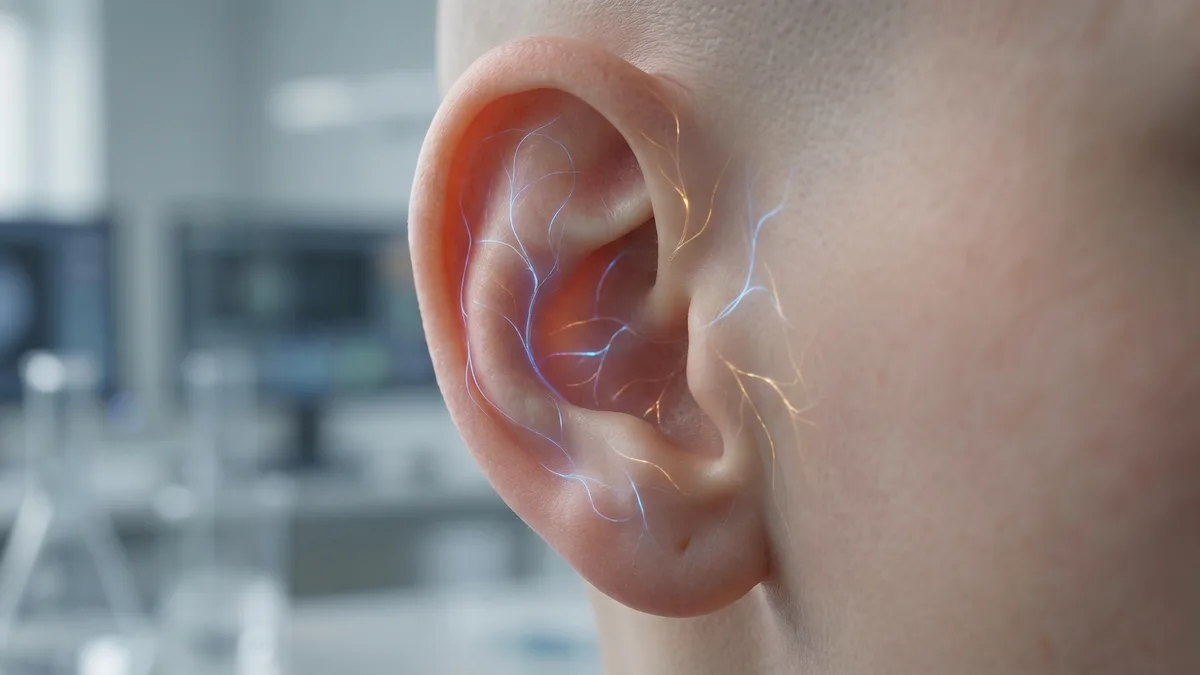
Here’s the thing about Long COVID: it’s not just about persistent cough or fatigue. The virus leaves behind echoes, some subtle, others loud, and among them is tinnitus, that irritating or mysterious ringing, buzzing, or humming in the ears. For anyone suddenly hearing persistent sounds that weren’t there before, especially after a COVID-19 infection, it raises important questions about how our brain and nervous system react to viral challenges.
I’ve encountered people who liken the experience to an uninvited guest who refuses to leave, an endless internal soundtrack without a playlist. But what does this mean scientifically? We’re only starting to appreciate the complex dialogue between immune reaction, neural circuitry, and our own psyche with symptoms like tinnitus. Immune responses can inflame not just our lungs or throat but sneak into the nervous system, shifting how sensory information is filtered and processed. To borrow a phrase from Buddhist thought, our reality and how we perceive it depend heavily on that subtle interplay between our inner conditioning and present awareness.
So, tinnitus after COVID is not merely an auditory disturbance. It’s a symptom that beckons us to look at the nervous system’s tangled dance with viral aftermath, inflammation, and brain plasticity. Patient exploration, both scientific and personal, remains the order of the day.
"The mind is not the enemy. The identification with it is."
The Virus’s Journey Through the Nervous System
Research now makes it clear that SARS-CoV-2, this tiny virus responsible for COVID-19, has a remarkable ability to influence areas well beyond the respiratory tract. Scientists have detected signs of viral invasion into the nervous system, plus indirect effects like inflammation and disruptions to tiny blood vessels supplying neurons. This means brain circuits responsible for processing sensory input, including hearing, may suffer collateral damage.
Auditory networks are notably complex; even minor disruptions can lead to significant perceptual changes. A neurologist named Dr. Josef Rauschecker has studied tinnitus extensively, pointing out that tinnitus may emerge when the brain's auditory gatekeeper, its ability to filter irrelevant noise, loses its function. Long COVID appears to introduce a new form of this filtering failure, perhaps through neuroinflammation or oxygen deprivation affecting central auditory areas.
Neuroscientific findings tend to support this view. A study published in Brain, Behavior, and Immunity in late 2022 outlined how neuroinflammation can alter neurotransmitter balance, flipping usual excitation-inhibition ratios in auditory pathways. Normally, this delicate balance quiets unimportant stimuli, but when skewed, phantom sounds can take center stage.
Truth is, the auditory chaos rarely travels alone. Sleep disturbances, cognitive fog, and anxiety often arrive as uninvited companions. This tangled network of symptoms suggests a broader systemic dysregulation, where inner sensory processing and emotional stress spiral together.
The Enigma of New-Onset Tinnitus After COVID-19
I remember a man who described going from silence to nonstop high-pitched ringing after recovering from COVID, an experience deeply unsettling. The mystery deepens when considering why a viral infection seemingly isolated to the respiratory system would trigger lasting sensory symptoms like tinnitus.
One promising theory centers on neuroinflammation, an immune response in the brain causing altered neural activity. Neural circuits may become hyperexcitable or lose inhibitory control, creating an “auditory hallucination” of sorts. Interestingly, this neurological disturbance can be transient or persist for months, depending on individual variability.
Another angle relates to vascular health. COVID-19 can promote microclots or endothelial dysfunction that reduce blood flow in tiny vessels feeding auditory nerve cells. What emerges is a multi-faceted problem combining infection, inflammation, and vascular challenges, each layering complexity onto the auditory system.
But let's not forget psychological factors. Anxiety or post-infection stress can increase tinnitus perception in a feedback loop. The brain’s threat detection systems switch into overdrive, heightening awareness of the internal noise, which in turn triggers more distress and sensitivity.
"Awareness doesn't need to be cultivated. It needs to be uncovered."
Mindfulness and Neuroscience: An Unexpected Meeting Ground
Honestly, it’s fascinating how ancient wisdom traditions and advanced neuroscience can meet over a problem like tinnitus.
Jon Kabat-Zinn’s pioneering mindfulness work teaches that sustained and nonjudgmental attention to present experience reconfigures brain networks. This isn’t just psychological fluff, it has measurable effects on how sensory information and emotional responses are processed. In tinnitus, mindfulness may not silence the ringing but shifts one’s emotional relationship to it, often turning torment into a neutral background or even a curiosity.
Neuroscientifically, mindfulness appears to modify activity in brain regions like the anterior cingulate cortex and insula, which are involved in attention and emotional regulation. This modulation can temper the brain’s reactivity to tinnitus. By reducing emotional increase, sufferers gain a form of internal control despite the persistence of the sound.
For those curious, adding some gentle magnesium supplementation, such as NOW Foods Magnesium Glycinate, might support nervous system balance. Magnesium’s role as a natural NMDA receptor modulator helps curb neural excitability, which could theoretically ease tinnitus discomfort. I’ve found magnesium helpful myself on rough days when sensory overload felt overwhelming.
The Autonomic Nervous System: The Hidden Variable
But here’s what often goes under the radar: the state of your autonomic nervous system. Stephen Porges' Polyvagal Theory offers incredible insight into why certain people remain stuck in tinnitus distress while others settle faster.
The autonomic nervous system responds to threat by altering physiological states, either ramping up for fight-or-flight, or dialing down into freeze. Long COVID may leave the system locked into a “threat” mode, creating heightened sensory sensitivity and preventing habituation to tinnitus sounds. The result? The brain keeps sounding alarms instead of tuning them out.
What this means practically is that calming the nervous system should be a priority alongside other medical approaches. Techniques like paced breathing, gentle movement, or therapies that promote vagal tone may reset this autonomic lockdown.
Technological aids can also help here. Devices like the Heated Neck Stretcher with Red Light Therapy combine physical relaxation with soothing warmth and light, supporting muscle release and nervous system modulation. It’s amazing how a bit of physical ease can ripple into nervous system calm.
"The nervous system doesn't respond to what you believe. It responds to what it senses."
Transforming the Inner Experience of Tinnitus
From my experience, the path to relief often hinges less on erasing the sound and more on shifting how we engage with it. The mind’s hardwired urge to resist or catastrophize symptoms often compounds suffering. When that resistance relinquishes, a surprising spaciousness can emerge, a place where tinnitus sounds ebb and flow like passing weather rather than permanent fixtures.
This transformation is slow and requires kindness toward oneself. It may involve steady moments of sitting with discomfort without reaction, discovering, paradoxically, that the less we fight tinnitus, the less it fights back.
Supporting this journey with nourishing nutrients such as the Jarrow Formulas B-Right Complex may also help. B vitamins support nerve health and energy metabolism, essential in recovery. Pairing supplementation with comforting soundscapes or sleep aids, such as a simple Under Pillow Speaker, can ease nights when tinnitus feels loudest.
Optional tools like a massage gun, for example the VTT 16 head massage gun, can provide not only physical relief from tension but promote parasympathetic nervous system engagement through gentle percussive therapy. I’ve used such devices to relax tight neck muscles, which often contribute to increased sensitivity and tension headaches alongside tinnitus flare-ups.
Living with the Unknown: A Patient’s Compass
Science still holds many questions about Long COVID and its sensory effects. We don’t have straightforward cures or quick fixes for new-onset tinnitus after infection. What we do have is an evolving map drawn from neuroscience, immunology, and contemplative traditions, pointing toward acceptance, sensitivity to the nervous system’s rhythms, and rigorous self-compassion.
Facing uncertain terrain requires curiosity more than courage; curiosity to notice symptom fluctuations, nervous system states, and emotional responses without judgment. This attitude changes the internal story from victim to observer, opening a subtle but vital shift in how tinnitus is lived with.
Look, healing is a journey without final destination, especially with Long COVID’s mysteries still unraveling. But every small step, whether a mindful breath, a magnesium-rich meal, or inserting musician earplugs to protect fragile hearing, contributes to rebuilding internal balance.
Your Healing Journey: Tools Worth Exploring
It’s clear that no single magic solution exists for tinnitus linked with Long COVID, but a combination of thoughtfully chosen supports can make day-to-day life more manageable.
Among supplements, Magnesium Glycinate by NOW Foods offers gentle nervous system support. Many find it reduces feelings of overstimulation or promotes restful sleep. Pair it with the Jarrow Formulas B-Right Complex to address nutritional deficits especially relevant in recovery phases.
For physical relief, devices like the VTT 16 Head Massage Gun or the Heated Neck Stretcher with Red Light Therapy may ease muscular tension contributing to symptom intensity. Combining physical ease with mindfulness can generate greater nervous system regulation.
Also, for protecting fragile hearing during noisy environments, consider High Fidelity Concert Earplugs. They preserve sound quality while reducing volume, a must for sensitive ears coping with tinnitus.
For night or quiet moments, an Under Pillow Speaker helps mask tinnitus with gentle sound, promoting sleep without intrusive headphone use. I keep one nearby myself during challenging nights.
Purchasing through these links supports this site with a small commission at no extra cost to you.
Frequently Asked Questions
Can Long COVID directly cause tinnitus?
Emerging studies show a connection between Long COVID and new-onset tinnitus. The mechanisms likely include neuroinflammation, direct viral effects on neural tissue, vascular dysfunction, and the nervous system’s altered regulation. Definitive cause-effect relationships are still under investigation.
Are mindfulness practices helpful for tinnitus related to Long COVID?
Yes, mindfulness can reframe one’s relationship to tinnitus, reducing emotional distress and nervous system reactivity. While it may not eliminate the sounds, mindfulness supports nervous system flexibility needed for recovery and resilience.
Is there a neurological explanation for why tinnitus worsens with stress?
According to Polyvagal Theory and other models, stress activates sympathetic nervous system pathways, increasing sensory gain and emotional arousal, which heightens tinnitus perception. This explains why stress management plays a key role in tinnitus care, especially after Long COVID.