
The Rhythmic Ghost: Understanding Pulsatile Tinnitus
Look, tinnitus is often described as a ringing or buzzing noise that seems to invade the mind without permission. But what if that sound isn’t static or random, but a rhythmic thumping in sync with your heartbeat? That’s pulsatile tinnitus. Rather than a mysterious buzzing, it’s a pulsing or whooshing sound you hear in time with your own cardiovascular system. This isn’t just a peculiar tinnitus variant, it’s a unique experience where your body seems to reveal itself audibly.
Honestly, it can be unsettling, a constant reminder that your vascular system is making itself known in an unusual way. Unlike the phantom sounds typical of traditional tinnitus, pulsatile tinnitus is almost always linked to something physically tangible. It’s a noise born of actual blood flow variations rather than neural misfiring or auditory hallucination. You’re hearing the rhythm of your own blood pumping through arteries and veins near the ear, sometimes accelerated by a vascular irregularity. It feels intimate, even invasive.
But here’s what’s interesting: this “ghost” of sound is an invitation, a signal pointing to the interconnectedness of our circulatory and auditory systems. It demands an investigation not only of our ears but of the broader physiological systems that support life’s pulse. There’s a message in this rhythm, one worth listening to. I’ve witnessed people find immense relief merely by identifying that the sound is real and explainable, not a figment of their imagination.
The Body’s Plumbing: Vascular Culprits Behind the Pulse
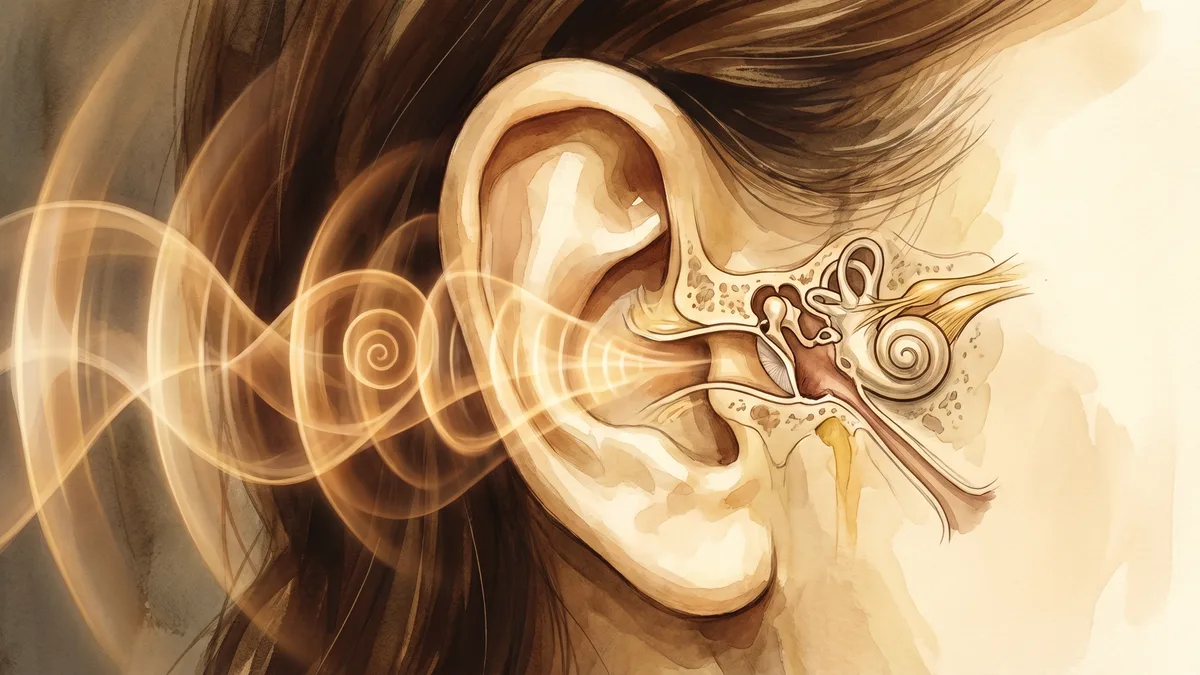
Imagine the complex highway system of your bloodstream, arteries and veins weaving through delicate tissues, including the ear where sound is normally harvested and interpreted. When blood flow shifts, say, by increased velocity, turbulence, or structural vessel changes, it can create vibrations strong enough to be detected by the highly sensitive cochlea. These vibrations then translate into the pulsatile sounds some hear.
Common causes include arterial narrowing or stenosis, arteriovenous malformations, venous hums, or increased cardiac output states like anemia or hyperthyroidism. Even benign variations like an aberrant jugular bulb can cause these sounds. It’s like a river running smooth under normal conditions but developing rapids or whirlpools in places where the terrain shifts. The inner ear is close enough to pick up those subtle hydraulic irregularities. Neuroscience speaks of this as the auditory system becoming a “microphone” to the body’s own flow patterns.
Vascular studies emphasize how the proximity of major arteries such as the carotid or jugular veins to the ear canal influences whether these sounds manifest. One paper published in the Journal of Otology and Neurotology documented cases where imaging revealed aneurysms or abnormal vessel loops responsible for pulsatile tinnitus.
Yet, the experience of this sound isn’t just mechanical. The way one processes and responds to it activates brain regions involved in emotion and stress, notably the limbic system and prefrontal cortex. Richard Davidson’s research on emotional styles hints at the variable reactions people have based on their neural wiring. I’ve known folks who hear this pulse and calm down, feeling more attuned to their body, while others spiral into anxiety. The sound becomes a mirror reflecting inner emotional states.
How Awareness Transforms Experience
Here’s the thing: awareness changes the relationship to symptoms dramatically. When someone realizes their pulsatile tinnitus stems from a vascular anomaly, it is less of a cryptic enemy and more of a biological message. That knowledge, validation of the reality behind the noise, can deeply alleviate emotional suffering tied to the condition.
The danger lies in dismissing the symptoms too quickly. Many individuals face the frustration of being told their tinnitus is “all in the head” or “stress-related” without adequate investigation. I recall a client who described the moment she learned her symptoms were due to a carotid artery narrowing as a moment of liberation. The relief came not just from the diagnosis but from feeling genuinely heard and believed.
Diagnosis typically involves detailed imaging like MRI, CT angiography, or Doppler ultrasound to reveal vascular abnormalities causing the flow disturbances. While not all vascular causes require surgery, some can be managed with interventions that normalize blood flow.
Alongside medical insight, nurturing emotional wellbeing is critical. Supplements like BY CARIOLA Zen Ear , Ear Wellness & Daily Support Supplement can support inner calm and ear health. I’ve found subtle benefits from these in reducing my own auditory sensitivities during stressful periods, though they’re never a standalone solution.
"Your nervous system doesn't care about your philosophy. It cares about what happened at three years old."
Listening Deeply: Mindfulness and Compassion Toward the Sound
Truth is, coping with pulsatile tinnitus often demands an artful listening that goes beyond the auditory sense. It’s about cultivating mindfulness and compassionate awareness toward the noise and, by extension, ourselves. When the sound pulses in your ear, inviting irritation or panic, the natural reaction is fight or flight. But if you can pause and observe without judgment, the experience can change shape.
Buddhist practice, for example, offers tools for working with such sensations. Sitting with the sound, not pushing it away or obsessing over it, allows one to notice the impermanence of sensations, how they shift in intensity and texture moment by moment. In Taoism, the flow of Qi or life energy moves in rhythms and cycles, much like the pulsatile tinnitus reveals the rhythmic dance of blood and breath within us.
Science supports this approach. Research from the University of California found that mindfulness training reduced tinnitus-related distress by changing functional connectivity in brain networks linked to attention and emotion regulation. This isn't about denying the tinnitus sound but changing our emotional reaction, becoming less reactive and more tolerant.
In my own life, I began using a Bluetooth Pillow Speaker (Bluetooth Pillow Speaker for Sleeping) playing soft white noise or gentle nature sounds at bedtime. It helped me blend the unwanted pulses with something pleasant, easing the transition to sleep. Weighted blankets like Leniio Weighted Blanket offer tactile comfort that calms the nervous system when the tinnitus seems overwhelming. These little comforts subtly shift the nervous system’s threshold for distress, making the sound more manageable.
"Not every insight requires action. Some just need to be witnessed."
Medical and Whole-body Approaches: Finding Balance
When pulsatile tinnitus points to a vascular origin, medical consultation is necessary. Ear, Nose, and Throat (ENT) specialists often partner with neurologists and radiologists to interpret imaging and identify the cause. Conditions like arterial stenosis, vascular tumors, or dural arteriovenous fistulas demand specific treatments ranging from monitoring to surgery or embolization.
Not every case responds well to invasive interventions, however. Sometimes the best path blends conventional care with lifestyle and complementary practices. Yoga, gentle aerobic exercise, and stress reduction techniques all support cardiovascular health, potentially improving blood flow and reducing complications.
Sound therapy can also help retrain the brain’s response to tinnitus signals. Apps like Audio Calm - Tinnitus Relief for Ringing Ears provide customizable soundscapes designed to mask or soothe tinnitus. This kind of auditory enrichment recruits the brain away from fixating on the pulse, improving quality of life.
Another fascinating option involves vibrational medicine, such as tuning forks (Tuning Forks for Healing Set). Used carefully, specific frequencies may stimulate auditory and somatic receptors, promoting relaxation and a shift in tinnitus perception. While scientific evidence is preliminary, many users report subjective improvement in sound intensity and distress.
The Emotional Landscape: Anxiety, Acceptance, and Presence
One cannot separate pulsatile tinnitus from the emotional experience it triggers. Anxiety, frustration, and even depression often cluster around this condition. The beat of the blood in the ear can increase inner turmoil or spark waves of panic. As Dr. Richard Davidson has shown in neuroscience studies, this interplay between body sensation and emotion is deeply wired. Our brain’s emotional style influences how much suffering the tinnitus causes.
That means working on emotional regulation is as vital as exploring the vascular anatomy. Therapeutic practices including Cognitive Behavioral Therapy (CBT), Acceptance and Commitment Therapy (ACT), or meditation cultivate resilience. These approaches help people shift from resisting or fighting the sound toward allowing it space, reducing the “fight or flight” response and opening channels for self-compassion.
I recall during a particularly challenging period with my own ear discomfort, journaling about my experience helped me untangle anxiety from physical sensation. A gratitude journal, like the Gratitude Journal Notebook: Daily Gratitude Self-Care Affirmations, can reorient attention to nourishing aspects of life, rebalancing perspective despite ongoing symptoms.
Your Healing Journey: Tools Worth Exploring
While there is no magic bullet for pulsatile tinnitus, some tools and practices can ease the journey and improve daily experience. Look for what connects with you personally. Here are a few options I recommend:
A well-reviewed product that can help create a soothing sound environment while sleeping is the Bluetooth Pillow Speaker for Sleeping. It lets you listen to calming sounds without disturbing others, gently masking the tinnitus pulse.
For nutritional support, BY CARIOLA Zen Ear , Ear Wellness & Daily Support Supplement provides vitamins and herbs traditionally used to support ear health and reduce noise perception.
Weighted blankets like the Leniio Weighted Blanket calm nervous system hyperarousal and improve sleep quality, especially on tough symptom days.
Sound therapy options such as the Audio Calm - Tinnitus Relief for Ringing Ears app offer customizable ambient sounds scientifically tailored to distract from tinnitus perception.
For mindful self-care, tools like the Gratitude Journal Notebook align with practices that encourage acceptance, emotional balance, and resilience.
Each step on the journey is about reclaiming agency, learning to listen differently, and treating yourself with patient kindness. Your body, as the ancient philosophies remind us, is a complex, living system where every pulse and whisper contains wisdom waiting to be heard.