
Understanding the Anxiety-Tinnitus Feedback Loop
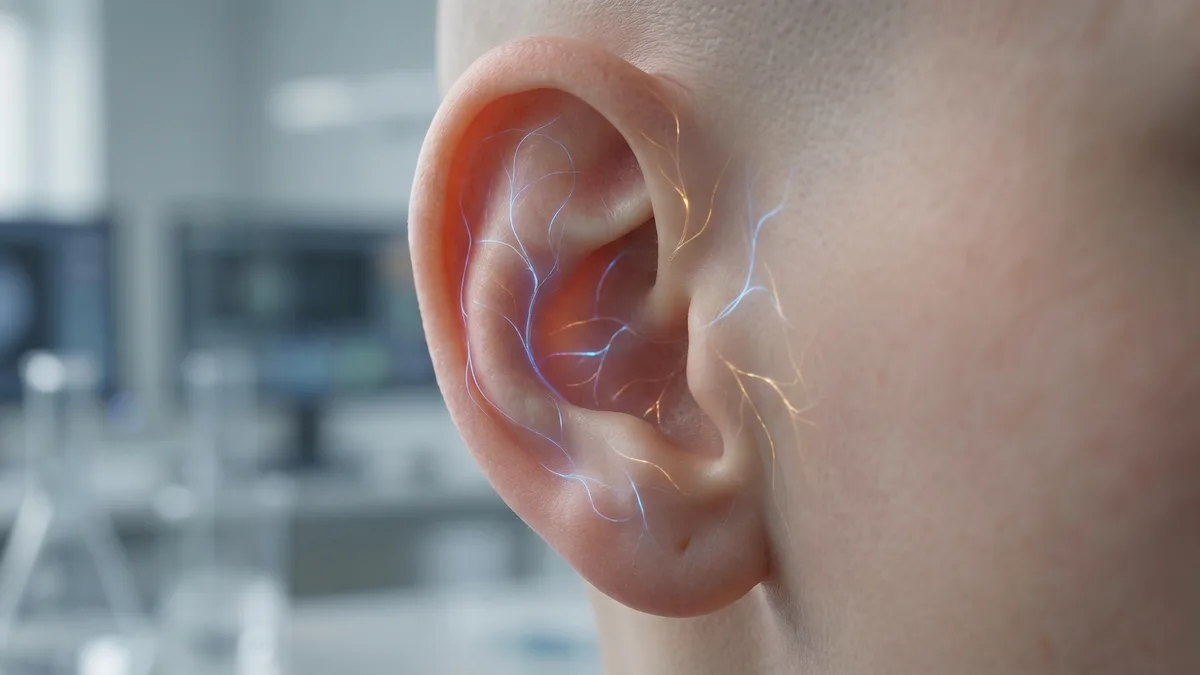
When tinnitus arises - an internal ringing or buzzing without an external source - one's mind often begins a restless dance between sensation and interpretation. Anxiety enters quietly at first, whispering doubts and fears that the noise signals something dire, or that it will never cease. This mental chatter then heightens sensory awareness, intensifying the perception of tinnitus, which circles back to fuel anxiety anew. The loop thus perpetuates itself, a self-sustaining feedback between body and mind, perception and reaction.
In my years of working in this territory, I have witnessed how easily this spiral can entangle even the most grounded individuals, making the inner sound feel ever more intrusive. Neuroscientists like Pawel Jastreboff have illuminated these mechanisms, emphasizing how the limbic system - the brain’s emotional center - increases the experience of tinnitus via conditioned responses. Anxiety doesn’t merely accompany tinnitus; it actively shapes its very presence. Right there.
"The body remembers what the mind would prefer to file away."
Why Anxiety Increases Tinnitus
The mind’s attempt to evade discomfort paradoxically makes the persistent noise more perceptible. We try to push away or ignore the ringing but, as Stephen Porges' Polyvagal Theory suggests, the nervous system remains vigilant, interpreting tinnitus as a potential threat. Heightened sympathetic arousal increases overall neural excitability, rendering the ear’s phantom sounds sharper, more prominent. It’s as if the brain, craving certainty, increases the tinnitus to alert us, a biological echo chamber of stress and alertness.
And then, the anxiety deepens, restricting breath and tightening muscles, committing the body to a pattern of fight, flight, or freeze. We hold our breath, tense jaws, and tighten shoulders, crescendos that connect in the nervous system and, ironically, make the tinnitus feel even less bearable. This feedback loop may persist quietly for days, months, or sometimes years until one recognizes its cycle and intervenes with mindful attention rather than resistance.
The Role of Mindfulness and Awareness
One cannot simply think their way out of this loop, yet the practice of mindful observation changes everything. Jon Kabat-Zinn’s work with mindfulness-based stress reduction highlights how nonjudgmental awareness of sensations diminishes their grip. When we watch tinnitus without adding narrative or aversion, the intensity often recedes as the mind's habitual reactivity softens. "Sit with it long enough and even the worst feeling reveals its edges," revealing itself less as an indomitable storm and more as a shifting pattern of sensation.
Mindfulness does not seek to eliminate the sound; rather, it invites space around it, opening one to a different quality of attention - less urgent, less reactive. This subtle shift disrupts the anxious feedback reflex. We learn to notice tinnitus as one experience among many, rather than the overwhelming center of distress.
One option that many people like is a Himalayan Salt Lamp. Many readers have found the Chamomile Tea by Traditional Medicinals (paid link) helpful for this.
"Sit with it long enough and even the worst feeling reveals its edges."
Breathing as a Gateway to Nervous System Regulation
Stephen Porges reminds us that breath is a key lever within the autonomic nervous system, capable of coaxing it out of its defensive state toward safety and calm. Slow, extended exhalations engage the parasympathetic nervous system, encouraging the vagus nerve to quiet hyperarousal. Through conscious breathing practices, the noisy feedback loop can be softened. In these moments, the tinnitus does not disappear, but the nervous system no longer interprets it as impending danger, diminishing its power to provoke anxiety.
When we trust the rhythm of the breath patiently, breathing becomes a form of self-soothing that retrains the body toward relaxation. It is not magic, nor instant relief, but a gradual reconditioning of how we inhabit our inner experience. Neuroscience now confirms what contemplative traditions have always known: nervous system balance supports mental equanimity.
The Importance of Integration Beyond Information
Many come armed with knowledge about tinnitus, anxiety, or mindfulness techniques yet feel trapped as the symptoms persist. Intellectual understanding sparkles with promise but without lived experience or integration, it remains just that - information. As I often remind those working with tinnitus,
"Information without integration is just intellectual hoarding."Knowledge activated through practice, reflection, and compassionate self-engagement becomes meaningful rather than paralyzing.
We must allow ourselves to process what the sensations evoke, not unlike the ancient Taoist injunction to follow the flow, rather than resist. The feedback loop itself is a messenger - telling us where the nervous system tightens, where the mind constricts. When we respond with gentle attention, the loop gradually loosens its grip, allowing both sound and anxiety to settle in a less reactive field. Worth knowing.
Another option worth considering is the Jarrow Formulas B-Right Complex (paid link). One option that many people like is a Tibetan Singing Bowl Set.
The Power of Community and Shared Experience
I’ve sat with people who have felt deeply isolated by their tinnitus, burdened by the frustration of explaining an invisible condition. In those moments, shared experience opens a door - recognition of common struggle softens feelings of alienation and shame. Community need not solve the loop entirely, but it reminds us that we are not alone in the inner battle and that others have navigated similar waters.
Embodiment traditions across cultures honor this collective healing, acknowledging that anxiety and tinnitus do not exist in isolation but intertwine with human vulnerability itself. Such connection encourages the sense that healing is an unfolding process, one woven into the quiet fabric of relationship rather than solitary conquest. Not quite.
Stepping Outside the Loop with Gentle Courage
Reclaiming a life not dominated by tinnitus and anxiety invites a delicate courage - one that turns toward discomfort without flinching, making room for what feels unbearable. Taoism teaches that by yielding to a problem’s flow rather than forcing resistance, it often loses its power to harm. In practice, this means approaching tinnitus and accompanying anxiety with patient curiosity instead of frantic avoidance.
We try, fail, return, and try again. The feedback loop when disrupted is not erased but transformed into awareness of its own impermanence. Over time, the noise becomes less central; anxiety shifts from master to messenger. The mind settles into a rhythm that embraces rather than battles, illuminating a pathway beyond endless escalation.
Your Healing Journey: Tools Worth Exploring
While there is no single solution for tinnitus, many people find that the right combination of tools and practices makes a real difference in daily life. Here are some options that align with what we have discussed in this article.
One option that many people like is a Himalayan Salt Lamp. Check out the NOW Supplements NAC 600mg (paid link) and see if it fits your situation.
One option that many people like is a Tibetan Singing Bowl Set. Check out the Mini Stepper by Sunny Health (paid link) and see if it fits your situation.
We may earn a small commission from Amazon purchases, which helps support this site at no extra cost to you. Really.
Frequently Asked Questions
How does anxiety actually worsen tinnitus?
Anxiety activates the body’s stress responses, increasing neural activity that heightens awareness and sensitivity to internal sounds. This increase makes tinnitus more pronounced, which in turn intensifies anxiety, perpetuating the cycle.
Can mindfulness truly reduce the perception of tinnitus?
Yes, through nonjudgmental awareness, mindfulness alters the brain’s relationship to tinnitus. It diminishes reactive patterns, helping one observe the sound without additional layers of distress, which reducing perceived intensity over time.
Are there specific breathing techniques recommended to break the anxiety-tinnitus loop?
Practices emphasizing slow, extended exhalations promote parasympathetic activation and nervous system calm. Techniques such as diaphragmatic breathing or coherent breathing harmonize the body’s rhythms and reduce anxiety, indirectly easing tinnitus discomfort.