
The Second Brain's Whisper
The idea of a 'second brain' residing in our gut has moved from the fringes of alternative health into the mainstream of neuroscience, and its implications for conditions like tinnitus are vast and largely unexplored. This enteric nervous system, a complex web of over 100 million neurons lining our gastrointestinal tract, operates with a remarkable degree of autonomy, managing the complex chemical and mechanical processes of digestion. But its influence extends far beyond that, communicating directly with the brain through the vagus nerve, a superhighway of information that shapes our mood, our immune response, and even our cognitive functions. When this second brain is in a state of distress, a condition often referred to as dysbiosis where the delicate balance of gut flora is disrupted, it sends out a cascade of inflammatory signals throughout the body. In my years of working in this territory, I've seen how chronic stress, poor diet, and the overuse of antibiotics can create a state of low-grade, systemic inflammation that becomes the new normal for the body, a constant, simmering fire that the brain has to manage.
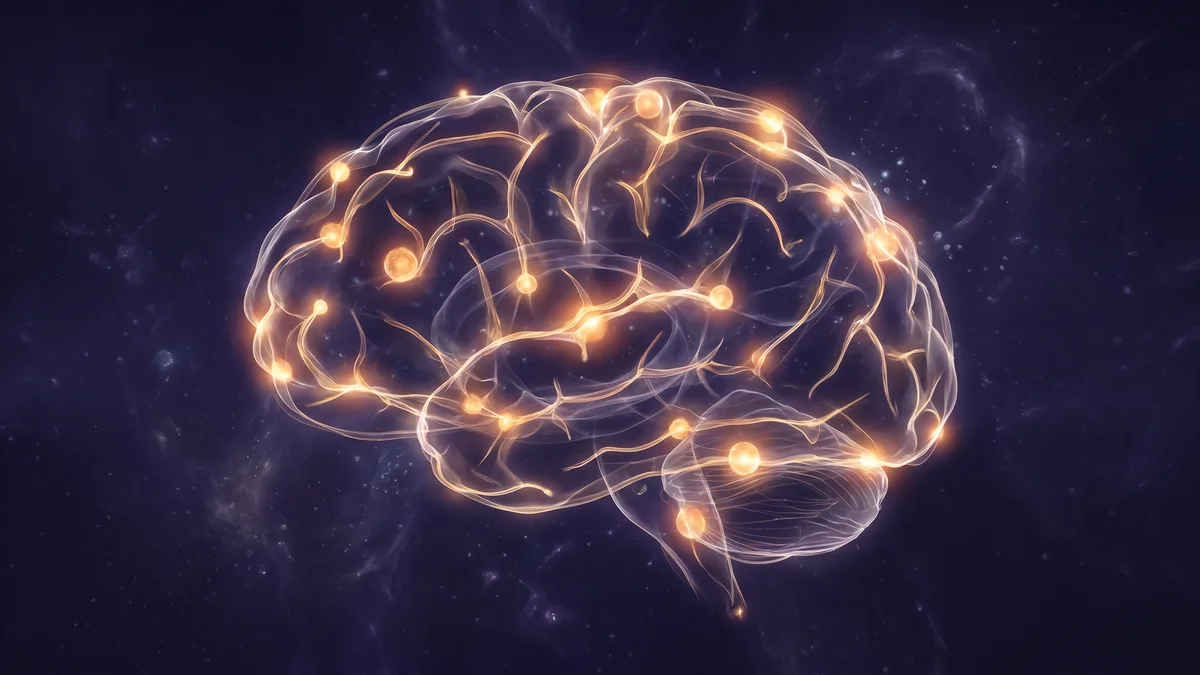
Here is where the work of neuroscientists like Josef Rauschecker at Georgetown becomes so illuminating, as his research has helped to map the changes that occur in the brain of someone experiencing chronic tinnitus. Rauschecker's research suggests that tinnitus is not merely an ear problem but a brain problem, where the brain's own filtering mechanisms have gone awry. The limbic system, our emotional core, gets entangled with the auditory cortex, creating a feedback loop where the perception of the sound is increased by our emotional reaction to it. Now, consider what happens when you add the inflammatory signals from a distressed gut to this already volatile mix. The brain, already struggling to gate the phantom sound, is now also dealing with a barrage of alarm signals from the gut, further taxing its resources and potentially lowering the threshold at which the tinnitus signal is perceived and increased. It’s a perfect storm, a convergence of signals that locks the brain into a state of high alert, with the ringing in the ears as the ceaseless, piercing siren.
The mind is not the enemy. The identification with it is.
Observation Beyond the Observer
The challenge, then, becomes one of disentangling these threads of perception, emotion, and physiological distress, a task that can feel monumental when one is caught in the grip of a constant, invasive sound. Here is where we can draw on the wisdom of contemplative traditions, which have been exploring the nature of perception for millennia. The philosopher Jiddu Krishnamurti spoke of the significant practice of 'observation without the observer,' the capacity to witness a phenomenon, whether a thought, an emotion, or a physical sensation, without immediately collapsing into the story about it. When we hear the ringing, our immediate, conditioned reaction is to become the 'sufferer of tinnitus,' a role that comes with a whole host of narratives, fears, and anxieties. We are not just hearing a sound; we are experiencing a personal affliction, a problem that needs to be solved, a battle that needs to be won. This identification, this fusion of the raw sensory data with a personal story, is what gives the sound its power and its persistence.
Practicing observation without the observer in the context of tinnitus means learning to meet the raw sensation of the sound before the mind has a chance to label it, judge it, and build a fortress of resistance around it. It is a subtle but powerful shift in orientation. Instead of being the person who 'has' tinnitus, one becomes the awareness in which the sensation of ringing is appearing. And this is the part nobody talks about. This doesn't mean the sound disappears, but its quality, its texture, its emotional charge begins to change. It becomes less of a personal attack and more of an impersonal phenomenon, like the sound of the wind or the rain. It requires a gentle, persistent training of attention, a willingness to stay with the raw, unfiltered experience, even for a few moments at a time. It is the practice of meeting the moment as it is, not as we wish it to be, and in that meeting, we find a space of freedom that was previously unimaginable.
One option that many people like is Sports Research L-Theanine. Many readers have found the L-Theanine 200mg by Sports Research (paid link) helpful for this.
The wellness industry sells solutions to problems it helps you believe you have.
The Gut as the Garden of the Mind
If the brain is the soil in which the seed of tinnitus takes root, then the gut is the garden that enriches or depletes that soil. The health of our microbiome, the vast and diverse system of bacteria, fungi, and viruses living in our gut, has a direct and significant impact on our mental and emotional well-being. These microorganisms are not just passive bystanders; they are active participants in our neurochemistry, producing neurotransmitters like serotonin and dopamine, regulating our immune system, and influencing our stress response. A healthy, diverse microbiome is like a lush, thriving garden, providing the brain with the nutrients and the stability it needs to function optimally. A depleted, imbalanced microbiome, on the other hand, is like a barren, weed-infested plot, sending signals of stress and inflammation that disrupt the delicate balance of the brain.
The modern diet, with its overemphasis on processed foods, sugar, and a narrow range of ingredients, has had a devastating effect on the diversity of our gut flora. We are, in essence, starving the very system that is so crucial for our mental and physical health. The path to a healthier gut, and by extension, a calmer brain, is not about finding a single magic pill or a quick fix. It is about a conscious and sustained effort to re-wild our inner garden. This means embracing a diet rich in a wide variety of plant fibers, fermented foods like kimchi and kefir, and prebiotic-rich foods like onions and garlic. It means reducing our intake of inflammatory foods and creating a lifestyle that supports the flourishing of a diverse and resilient microbiome. It is a slow, patient process of cultivation, of tending to the soil of our own being, knowing that the health of the garden will ultimately be reflected in the clarity and quietude of the mind.
At a certain depth of inquiry, the distinction between psychology and philosophy dissolves entirely.
Re-establishing the Connection
The journey of healing from tinnitus, when viewed through this lens of the gut-brain-ear axis, becomes less about a targeted attack on the sound and more about a whole-person restoration of systemic balance. It is a journey that invites us to become students of our own biology, to listen with a new kind of attention to the subtle signals that our body is constantly sending us. It asks us to consider the food we eat not just as fuel, but as information that shapes our entire being. It encourages us to explore practices like mindfulness and meditation not as techniques to escape the present moment, but as tools to inhabit it more fully, to meet our experience with a sense of curiosity and compassion. A client once described this as learning to turn down the volume on the inner critic and turn up the volume on the inner physician, the innate intelligence of the body that is always striving for wholeness.
Another option worth considering is the Thorne Research Melatonin 3mg (paid link). For those looking for a simple solution, Thorne Research Melatonin works well.
This path is not always easy. It requires a willingness to question our long-held beliefs about health and healing, to step outside the narrow confines of a purely mechanical view of the body. It requires patience, as the process of restoring balance to the gut and the nervous system can take time. But it is a path that offers not just the possibility of a reduction in the perceived volume of tinnitus, but a much deeper and more lasting sense of well-being. It is a path that leads us back to ourselves, to the wisdom of our own bodies, and to the significant and complex web of connections that make us who we are. It is a journey of coming home, not to a place of perfect silence, but to a place of greater harmony, resilience, and peace.
The question is never whether the pain will come. The question is whether you'll meet it with presence or with narrative.
Your Healing Journey: Tools Worth Exploring
While there is no single solution for tinnitus, many people find that the right combination of tools and practices makes a real difference in daily life. Here are some options that align with what we have discussed in this article.
One option that many people like is Sports Research L-Theanine. Check out the L-Theanine 200mg by Sports Research (paid link) and see if it fits your situation.
For those looking for a simple solution, Thorne Research Melatonin works well. Check out the Thorne Research Melatonin 3mg (paid link) and see if it fits your situation.
You could also try NatureWise Turmeric Curcumin. Check out the Turmeric Curcumin by NatureWise (paid link) and see if it fits your situation.
A tool that often helps with this is Nature Made Magnesium Glycinate. Check out the Chamomile Tea by Traditional Medicinals (paid link) and see if it fits your situation.
We may earn a small commission from Amazon purchases, which helps support this site at no extra cost to you.
Frequently Asked Questions
Can changing my diet really affect the ringing in my ears?
While it's not a guaranteed cure, a growing body of evidence suggests a strong link between gut health and brain function, which includes the auditory processing centers implicated in tinnitus. An anti-inflammatory diet, rich in diverse fibers and fermented foods, can reduce systemic inflammation and support a healthier gut microbiome. For some individuals, this can lead to a noticeable reduction in the perceived intensity and distress of their tinnitus, as it helps to calm an overactive nervous system and brain.
What is the single most important supplement to take for the gut-brain connection?
There is no single 'most important' supplement, as the needs of each individual's microbiome are unique. However, a high-quality, multi-strain probiotic can be a good starting point for many people, as it helps to introduce beneficial bacteria into the gut. It's also crucial to consume prebiotic fibers from foods like asparagus, garlic, and onions, as these act as food for the good bacteria. It's always best to work with a knowledgeable practitioner who can help you tailor a protocol to your specific needs.
How long does it take to see changes in tinnitus from improving gut health?
This is a slow and patient process, and there are no quick fixes. The gut microbiome can take months to shift in a significant way, and the brain's neuroplastic changes happen over time as well. Some people may notice subtle shifts in their overall well-being, mood, and digestion within a few weeks, while any potential changes in tinnitus perception may take several months of consistent effort. The key is to view it not as a short-term fix, but as a long-term commitment to systemic health.