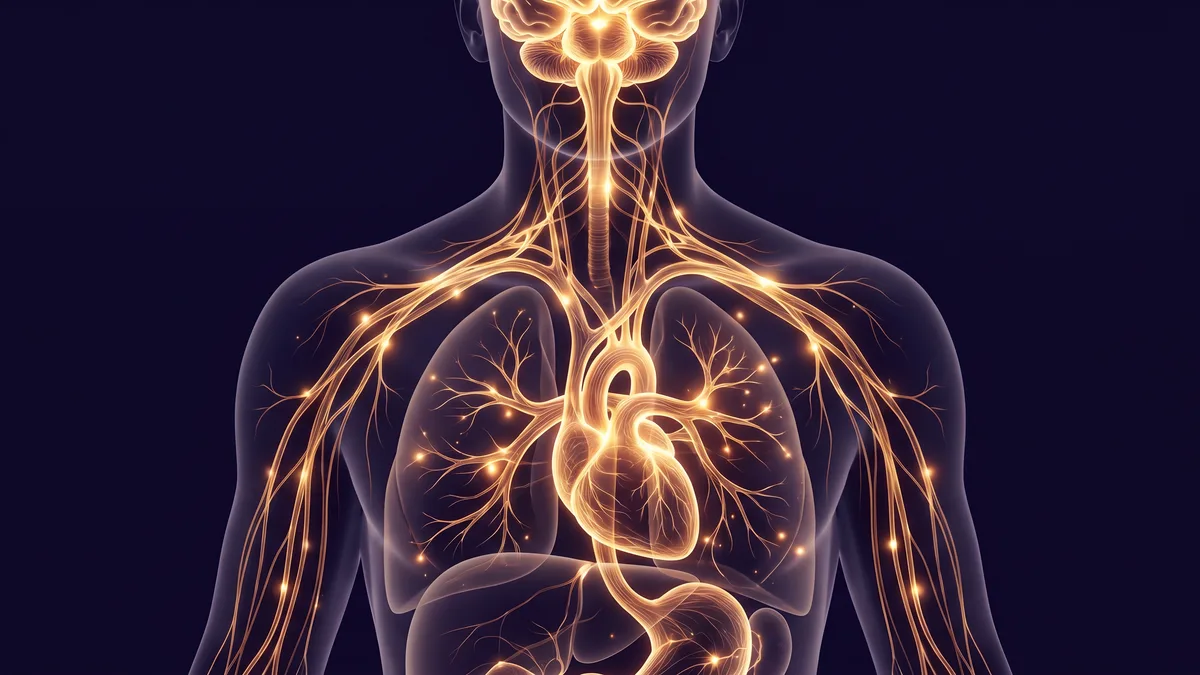

The Silent Fire
Inflammation is the body’s natural and healthy response to injury or infection. It is the army of immune cells that rushes to the site of a cut, the redness and swelling that signals the work of healing and repair. This acute inflammation is a vital and life-saving process. But when the inflammatory response becomes chronic, when it is activated day after day in the absence of any real threat, it becomes a destructive force, a silent fire that smolders beneath the surface of our awareness, damaging tissues and disrupting the delicate balance of our neuro-immuno-endocrine systems. This chronic, low-grade inflammation is now understood to be a root cause of nearly every modern disease, from heart disease and diabetes to depression and autoimmune conditions. And a growing body of research is suggesting that it may also be a key driver of tinnitus.
The connection is not hard to imagine. The auditory system, from the delicate hair cells of the inner ear to the complex processing centers in the brain, is exquisitely sensitive to its biochemical environment. When the body is awash in inflammatory molecules, known as cytokines, it can create a state of oxidative stress and cellular damage that can impair the function of the auditory system. It can also lead to a state of neuronal hyperexcitability, where the nerves are firing too easily and too often, creating a signal where there is none. Hang on, because this matters. This is not just a theory; it is a measurable phenomenon. Blood tests can reveal the presence of inflammatory markers like C-reactive protein (CRP) and interleukin-6 (IL-6), and studies have shown a correlation between raised levels of these markers and the severity of tinnitus. The ringing in the ears, in this context, can be seen as a kind of auditory pain, a signal that the system is under duress.
The most important things in life cannot be understood - only experienced.
The Neurophysiological Model
To truly grasp the significance of this inflammatory connection, it is helpful to understand the dominant scientific model of tinnitus, the neurophysiological model developed by Pawel Jastreboff. Jastreboff’s important work in the 1980s and 90s shifted the focus of tinnitus research from the ear to the brain. He proposed that while the initial trigger for tinnitus may be some form of damage to the ear, the persistence of the sound, and the suffering that it causes, is a function of processes in the brain. He identified two key factors: the detection of the tinnitus signal by the sub-cortical auditory pathways, and the emotional and cognitive reaction to that signal, which is governed by the limbic and autonomic nervous systems. In other words, the sound itself is not the problem; the problem is the brain’s reaction to the sound.
Jastreboff’s model led to the development of Tinnitus Retraining Therapy (TRT), a habituation-based therapy that aims to retrain the brain to reclassify the tinnitus signal as unimportant, allowing it to fade into the background of awareness. TRT has been a lifeline for many, but it does not address the underlying biological drivers that may be contributing to the generation of the tinnitus signal in the first place. Here is where the conversation about inflammation becomes so crucial. If we can reduce the level of systemic inflammation, we can potentially turn down the volume on the initial tinnitus signal, making the process of habituation much easier. In my years of working in this territory, I have seen how a combined approach, one that addresses both the “bottom-up” biological factors and the “top-down” psychological factors, is often the most effective path to relief.
Something worth considering might be the Natural Vitality Calm Magnesium. Many readers have found the Chamomile Tea by Traditional Medicinals (paid link) helpful for this.
Every resistance is information. The question is whether you're willing to read it.
Quenching the Flames
So, how do we begin the work of quenching the flames of chronic inflammation? The journey begins, as it so often does, with food. The standard modern diet, with its high load of sugar, refined carbohydrates, and industrial seed oils, is a significantly pro-inflammatory diet. It is a constant source of stress on the system, a daily assault on the delicate balance of our biology. The antidote is an anti-inflammatory diet, a way of eating that is rich in the foods that calm the immune system and provide the body with the nutrients it needs to heal and repair. This means a diet that is centered around a wide variety of colorful plants, which are rich in anti-inflammatory phytonutrients. It means a diet that is rich in healthy fats, particularly the omega-3 fatty acids found in fatty fish, which are the building blocks of the body’s own anti-inflammatory molecules. And it means a diet that is low in sugar and refined carbohydrates, which are the primary drivers of the inflammatory process for so many.
But diet is just one piece of the puzzle. Chronic stress is another major driver of inflammation. The stress hormone cortisol, when chronically raised, can dysregulate the immune system and promote a pro-inflammatory state. This is why stress management practices are not an indulgence, but a medical necessity for anyone dealing with a chronic inflammatory condition. Practices like meditation, yoga, and deep breathing can help to shift the nervous system out of the fight-or-flight mode and into the rest-and-digest mode, where the body can do its deep work of healing. A client once described this as learning to find the “off switch” for his own internal alarm system. The alarm was still there, but he had learned how to turn it down, to create moments of quiet and safety in the midst of the noise.
The space between knowing something intellectually and knowing it in your body is where all the real work happens.
The Path of Embodiment
Ultimately, the journey of healing from tinnitus, when viewed through the lens of inflammation, is a journey of embodiment. It is a journey of coming home to the body, of learning to listen to its subtle signals, of treating it not as an enemy to be conquered, but as a wise and trusted friend. It is a path that requires a radical commitment to self-care, a willingness to prioritize the foundational practices of health: a nourishing diet, restorative sleep, regular movement, and a calm and regulated nervous system. This is not a path for the faint of heart. It requires a willingness to go against the grain of a culture that glorifies busyness and self-neglect. It requires a willingness to disappoint others, to say no, to set boundaries, to fiercely protect the time and the space that are necessary for healing.
Another option worth considering is the Jarrow Formulas B-Right Complex (paid link). A tool that often helps with this is Lipo-Flavonoid Plus for ear health.
But it is also a path that is rich with rewards. It is a path that offers not just the possibility of a quieter mind, but a more vibrant and resilient body, a more peaceful and centered heart. It is a path that leads us back to a more natural and sane way of being, a way of being that is in harmony with our own biology and with the world around us. It is a journey of a thousand small steps, of daily choices, of patient and persistent effort. There is no magic bullet, no quick fix. There is only the slow and steady work of tending to the garden of our own being, of trusting that if we provide the right conditions, the body, in its infinite wisdom, will know how to heal.
Your Healing Journey: Tools Worth Exploring
While there is no single solution for tinnitus, many people find that the right combination of tools and practices makes a real difference in daily life. Here are some options that align with what we have discussed in this article.
Something worth considering might be the Natural Vitality Calm Magnesium. Check out the NOW Supplements NAC 600mg (paid link) and see if it fits your situation.
A tool that often helps with this is Lipo-Flavonoid Plus for ear health. Check out the Mini Stepper by Sunny Health (paid link) and see if it fits your situation.
A tool that often helps with this is Nature Made Magnesium Glycinate. Check out the CoQ10 by Doctor's Best (paid link) and see if it fits your situation.
We may earn a small commission from Amazon purchases, which helps support this site at no extra cost to you.
Frequently Asked Questions
How can I get my inflammation markers tested?
You can ask your doctor to order a blood test for C-reactive protein (CRP), which is a general marker of inflammation in the body. A high-sensitivity CRP (hs-CRP) test is even more precise. Other markers, such as erythrocyte sedimentation rate (ESR) and interleukin-6 (IL-6), can also be helpful. It is important to interpret these results with a qualified practitioner, as they can be affected by a variety of factors.
What are the most anti-inflammatory foods?
The most anti-inflammatory foods are generally whole, unprocessed, plant-based foods. This includes leafy green vegetables, colorful fruits and vegetables (especially berries), fatty fish (like salmon and sardines), nuts and seeds (especially walnuts and flaxseeds), and spices like turmeric and ginger. Healthy fats from sources like olive oil and avocados are also highly anti-inflammatory.
How long does it take to reduce inflammation through diet?
While some people may notice an improvement in their symptoms within a few weeks of adopting an anti-inflammatory diet, it can take several months to see a significant and lasting reduction in inflammatory markers. The key is consistency. This is not a short-term diet, but a long-term way of life. The more consistent you are, the more significant the results will be.