
The Body as a Garden
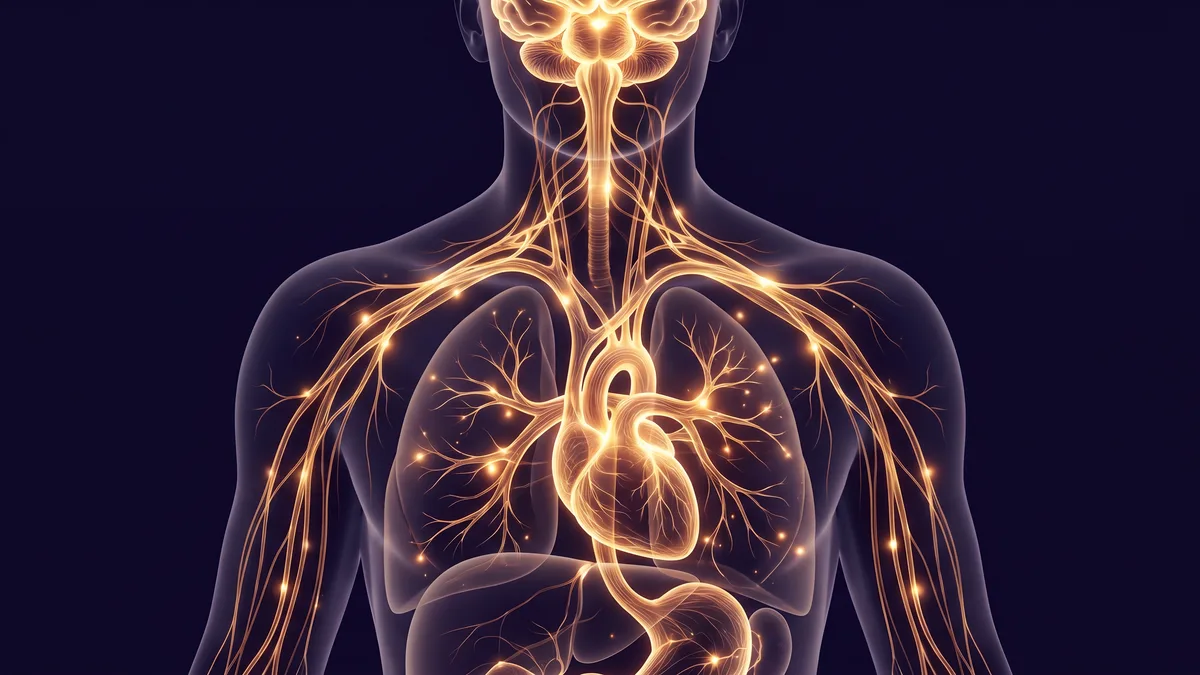
Let us begin with a provocation- what you eat does not just build your body, it tunes your nervous system. The conventional view separates diet from the mind, treating food as mere fuel for the physical machine while our mental and emotional lives unfold in some separate, ethereal realm of thoughts and feelings. But this is a significant misunderstanding of our own biology, a relic of a mechanistic worldview that has long outlived its usefulness. The truth is that our gut is a second brain, a vast and complex system of neurons and microbes that is in constant, intimate dialogue with the brain in our skull, a conversation that powerfully shapes our mood, our stress resilience, and even the volume of the phantom sounds we perceive. To imagine that we can pour inflammatory, nutrient-poor foods into this system without affecting the delicate symphony of our inner experience is a form of magical thinking. The body is not a machine; it is a garden, and what we plant in it will inevitably determine what grows.
This conversation between gut and brain, often called the gut-brain axis, is not a fringe concept from the outer reaches of wellness culture; it is a strong and rapidly growing field of neuroscience. Hang on, because this matters. The communication flows in both directions along the vagus nerve, a superhighway of information connecting the two centers. When the gut is inflamed, often due to a diet high in processed foods, sugar, and industrial seed oils, it sends a constant stream of alarm signals up to the brain, contributing to a state of systemic, low-grade inflammation. This neuroinflammation can, in turn, sensitize the auditory pathways and increase the perception of tinnitus, turning a faint, background ringing into a roaring fire that consumes one's attention. In my years of working in this territory, I've seen how dietary changes can create the downstream effect of a calmer, less reactive nervous system, which then changes the entire experience of tinnitus without ever targeting the ear directly.
What we call 'stuck' is usually the body doing exactly what it was designed to do under conditions that no longer exist.
The Polyvagal Lens on Diet and Tinnitus
To truly grasp the connection between diet and tinnitus, we need to look through the lens of Stephen Porges’ Polyvagal Theory, which offers a sophisticated map of the nervous system's hierarchical responses to safety and threat. The theory posits that our physiological state is the foundation of our psychological experience, and that the vagus nerve is the primary mediator of this connection. When our nervous system is in a state of safety and social engagement, what Porges calls the ventral vagal state, our bodies can rest, digest, and repair. In this state, the auditory system is optimized for listening to human speech, and background noises, including tinnitus, are more easily filtered out. However, when we are in a state of threat, either the fight-or-flight sympathetic state or the more primitive dorsal vagal shutdown state, our physiology changes dramatically. The body prioritizes survival over all else, and our sensory systems become biased toward detecting danger.
An inflammatory diet acts as a chronic, low-level threat signal to the nervous system, making it much more difficult to access the calm and connected ventral vagal state. Sounds strange, I realize. But from the body's perspective, a constant influx of inflammatory compounds is a form of internal danger, and it will respond accordingly by shifting into a defensive posture. Here is where the work of a researcher like Bessel van der Kolk becomes so resonant, as his work on trauma has shown how deeply the body keeps the score, holding the memory of threat in its very tissues. An inflammatory diet is a form of ongoing, low-grade trauma to the system, and it can keep the nervous system locked in a state of hypervigilance where every sound, including the internal sound of tinnitus, is more likely to be interpreted as a threat, thus perpetuating the cycle of suffering.
A tool that often helps with this is Culturelle Probiotics. Many readers have found the Chamomile Tea by Traditional Medicinals (paid link) helpful for this.
Trauma reorganizes perception. Recovery reorganizes it again, but this time with your participation.
Foods That Calm the Fire
If an inflammatory diet can fan the flames of tinnitus, then an anti-inflammatory diet can, over time, help to create the cool, damp conditions that allow the fire to subside. This is not about finding a single ‘miracle food,’ but about shifting the entire dietary pattern toward one that nourishes the gut, calms the immune system, and provides the brain with the building blocks it needs to function optimally. The principles are simple and have been echoed in traditional wisdom traditions for centuries, long before we had the scientific language to describe the mechanisms. It is about eating real, whole foods, the kinds of things our great-grandmothers would recognize as food. It is about flooding the body with a wide variety of colorful plants, which are rich in the polyphenols and flavonoids that act as potent anti-inflammatory agents.
This means building a diet around things like leafy greens, cruciferous vegetables, berries, and other low-sugar fruits. It means incorporating healthy fats from sources like avocados, olive oil, nuts, and seeds, which are crucial for brain health and for maintaining the integrity of cell membranes. It means ensuring adequate intake of high-quality protein from well-sourced fish, poultry, or pasture-raised animals, which provides the essential amino acids needed for neurotransmitter production. And perhaps most importantly, it means actively incorporating fermented foods like sauerkraut, kimchi, and kefir, which help to populate the gut with beneficial bacteria that play a direct role in regulating inflammation and communicating with the brain. This is not a restrictive diet of deprivation, but an abundant way of eating that celebrates the nourishing power of the earth.
At a certain depth of inquiry, the distinction between psychology and philosophy dissolves entirely.
The Gut-Brain Axis and Neuroinflammation
The link between what we eat and how we feel is not just a vague, metaphorical connection; it is a concrete, biochemical reality mediated by the gut-brain axis. When we consume foods that are inflammatory, such as refined sugars, processed grains, and industrial seed oils, it can lead to a condition known as intestinal permeability, or ‘leaky gut.’ In this state, the tight junctions that line the intestinal wall become compromised, allowing undigested food particles and bacterial endotoxins to leak into the bloodstream, where they trigger a system-wide immune response. This chronic, low-grade inflammation does not remain confined to the gut; the inflammatory messengers, known as cytokines, can cross the blood-brain barrier and create a state of neuroinflammation.
Another option worth considering is the Jarrow Formulas B-Right Complex (paid link). One option that many people like is Doctor's Best Alpha-Lipoic Acid.
This inflammation in the brain can have significant effects on our perception and our mood. It can disrupt the delicate balance of neurotransmitters like serotonin and dopamine, contributing to feelings of anxiety and depression, which are known to be significant amplifiers of tinnitus distress. It can also directly sensitize the neural circuits in the auditory cortex, making them more excitable and more likely to generate the phantom signals of tinnitus. In essence, an inflamed gut creates an inflamed brain, and an inflamed brain is a noisy brain. The dietary path to quieting tinnitus is therefore not about plugging the ears, but about healing the gut, a process that can take time and consistency but that addresses the problem at its very root, deep within the core of our physiology.
Your Healing Journey: Tools Worth Exploring
While there is no single solution for tinnitus, many people find that the right combination of tools and practices makes a real difference in daily life. Here are some options that align with what we have discussed in this article.
A tool that often helps with this is Culturelle Probiotics. Check out the NOW Supplements NAC 600mg (paid link) and see if it fits your situation.
One option that many people like is Doctor's Best Alpha-Lipoic Acid. Check out the Mini Stepper by Sunny Health (paid link) and see if it fits your situation.
Something worth considering might be the Comfy Brace Posture Corrector. Check out the CoQ10 by Doctor's Best (paid link) and see if it fits your situation.
We may earn a small commission from Amazon purchases, which helps support this site at no extra cost to you.
Frequently Asked Questions
How long does it take to see a difference in tinnitus from changing my diet?
This is highly individual and depends on many factors, including the baseline level of inflammation in your body and the consistency of your dietary changes. Some people report subtle shifts in their energy levels and mood within a few weeks, while a noticeable change in tinnitus perception may take several months. It is a long-term strategy, not a quick fix. The goal is to create a sustainable pattern of eating that supports nervous system regulation over time.
Do I have to give up all my favorite foods forever?
Not necessarily. The goal is progress, not perfection. It is about shifting the overall pattern of your diet, not about being perfectly rigid for the rest of your life. A useful approach is the 80/20 rule, where you focus on eating anti-inflammatory, nutrient-dense foods 80% of the time, which allows for some flexibility for treats or special occasions. The key is to prevent the occasional indulgence from turning back into a daily habit.
Can a specific diet cure my tinnitus?
It is important to be very clear here: there is no diet that has been scientifically proven to ‘cure’ tinnitus. However, a well-formulated, anti-inflammatory diet can be a powerful tool for managing the severity and intrusiveness of tinnitus by reducing systemic inflammation, supporting nervous system health, and improving overall resilience. It is a crucial piece of a thorough management strategy, but it is not a standalone cure.
What is the single most important dietary change I can make?
If there is one single change that tends to have the most significant impact, it is the radical reduction or elimination of added sugars and refined carbohydrates. These foods are highly inflammatory and can create a rollercoaster of blood sugar instability that puts a great deal of stress on the nervous system. Cutting out sugary drinks, processed snacks, and white flour products is a powerful first step toward calming the entire system.
A Tender Conclusion
The journey of exploring the connection between diet and tinnitus is not one of restriction or punishment, but one of significant self-care and deep listening. It is an invitation to treat the body not as an adversary to be conquered, but as a wise and sensitive ally that is constantly communicating its needs. By shifting our diet, we are not just changing what is on our plate; we are changing the very information that we are feeding our nervous system, and in doing so, we are creating the conditions for a deeper sense of safety and ease to emerge from within. It is a slow, patient, and often nonlinear process, one that asks for our gentle and consistent participation. In the end, we may find that the path to a quieter mind begins not in the ear, but in the gut, on the fork, and in the heart.
You don't arrive at peace. You stop walking away from it.