
The Digital Hearth: Can Pixels Truly Hold Presence?
In an age where our lives are increasingly mediated by screens, the prospect of seeking solace and support for something as deeply personal as tinnitus through telehealth can feel like a contradiction in terms. We have come to associate healing with physical presence, with the felt sense of another human being in the room, and the idea of baring our souls to a face on a laptop can seem cold and clinical, a pale imitation of the real thing. The research of luminaries like Richard Davidson at the University of Wisconsin has shown us the significant impact that practices like meditation can have on the brain's emotional circuits, but can that same meaningful potential be transmitted through a fiber optic cable? Can a sense of genuine connection, of being seen and heard in our vulnerability, truly be cultivated in the digital realm? This is not a trivial question. It strikes at the very heart of what it means to be human in the 21st century, and it is a question that anyone considering telehealth for tinnitus must grapple with.
The initial resistance to the idea of digital therapy is understandable, and it is a resistance that I have seen in many of the people I have worked with over the years. A client once described this as feeling like he was 'talking to a ghost,' a disembodied presence that lacked the warmth and immediacy of a face-to-face encounter. There is a fear that the subtle nuances of our experience, the slight tremor in our voice, the flicker of fear in our eyes, will be lost in translation, flattened and distorted by the limitations of the technology. And this is the part nobody talks about. We worry that the therapeutic relationship, the very foundation upon which all healing is built, will be compromised, that we will be left feeling even more isolated and alone in our struggle. These are not irrational fears. They are the valid concerns of a nervous system that has been conditioned over millennia to seek safety and connection through physical proximity and direct sensory experience.
And yet, what I have also seen, time and time again, is that with a willingness to suspend our disbelief, to approach the experience with a sense of open curiosity, something remarkable can happen. We can begin to discover that the digital space, for all its limitations, can also be a space of significant intimacy and connection. When we are in our own homes, in our own familiar surroundings, we can often feel more at ease, more able to let down our guard and speak our truth. The screen, which at first seemed like a barrier, can become a kind of permeable membrane, allowing for a different kind of presence, a different kind of seeing. It is proof of the remarkable adaptability of the human heart, its ability to find and create connection even in the most unlikely of circumstances. It is a reminder that the quality of our presence is not determined by our physical location, but by the intention and attention we bring to the moment.
The Neuroscience of Digital Connection
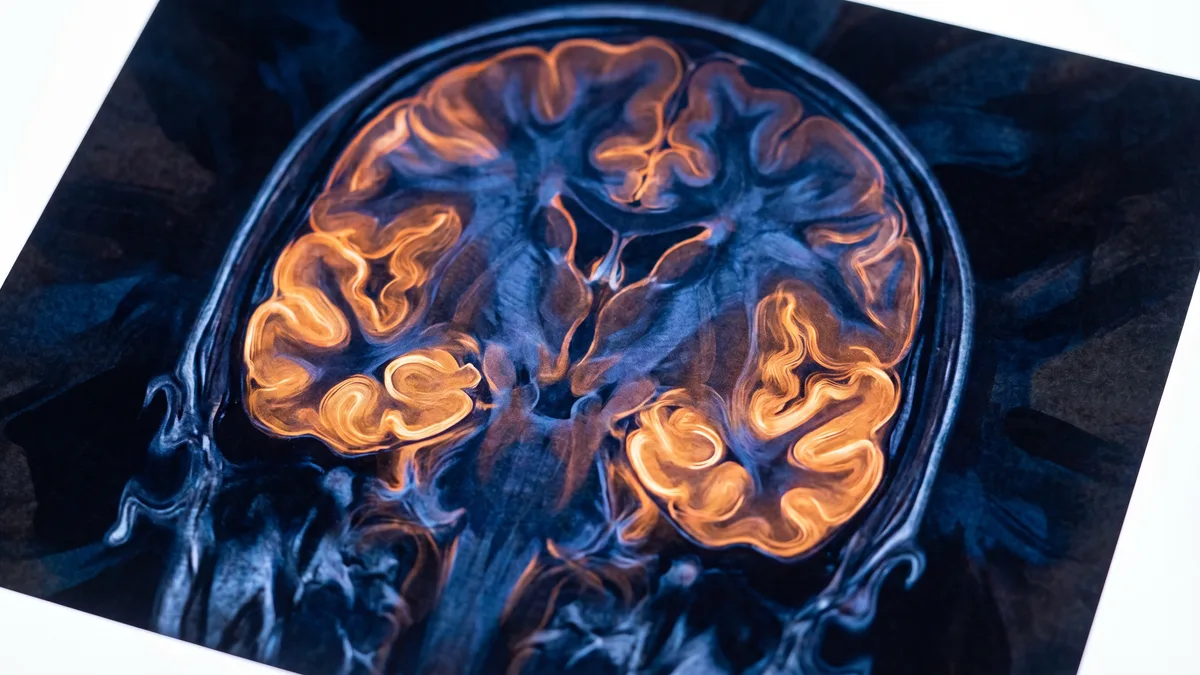
The work of Richard Davidson and others in the field of contemplative neuroscience has given us a powerful new framework for understanding the plasticity of the brain and its capacity for transformation. His research on the 'emotional style' of the brain, the idea that we all have a unique and measurable profile of emotional reactivity and regulation, has significant implications for how we approach the treatment of tinnitus. It suggests that the suffering associated with tinnitus is not just a matter of the sound itself, but of our emotional response to it. It is the fear, the anxiety, the frustration, the despair, that truly fuels the fire of our distress. And the good news, the really good news, is that these emotional responses are not fixed. They are learned habits of the mind, and they can be unlearned. Through practices like mindfulness and compassion meditation, we can literally rewire the neural pathways of our brains, cultivating a greater sense of calm, clarity, and emotional balance.
"Information without integration is just intellectual hoarding."
Now here is the thing. The question then becomes, can this process of neural reprogramming happen through the medium of telehealth? Can a guided meditation led by a therapist on a screen have the same impact as one led in a quiet, candlelit room? The emerging evidence, and my own personal experience, suggests that the answer is a resounding yes. The brain, it turns out, is not particularly concerned with the medium through which it receives its information. It is concerned with the quality of the information, the consistency of the practice, and the intention behind it. When we engage in a guided meditation, whether in person or online, we are activating the same neural circuits, we are strengthening the same mental muscles. The prefrontal cortex, the seat of our executive functions, comes online, helping to regulate the amygdala, the brain's alarm system. The insula, which is involved in interoception and self-awareness, becomes more active. The default mode network, which is associated with mind-wandering and self-referential thinking, begins to quiet down.
You could also try the Bedtime Bliss Contoured Sleep Mask. Many readers have found the Chamomile Tea by Traditional Medicinals (paid link) helpful for this.
The key, then, is not the format, but the fidelity. It is about finding a practitioner who can create a sense of safety and trust, who can guide you through the practices with skill and compassion, and who can help you to integrate the insights you gain into the fabric of your daily life. It is about being present with the practice, day after day, with a sense of gentle and persistent discipline. It is about understanding that this is not a quick fix, but a long-term project of self-discovery and transformation. The technology is simply a tool, a means to an end. It is the human connection, the shared intention, the collective commitment to waking up, that truly drives the process of healing. And that is something that can transcend any screen, any distance, any physical barrier. I get it. Really, I do. The skepticism is real, but so is the potential.
Your Healing Journey: Tools Worth Exploring
While there is no single solution for tinnitus, many people find that the right combination of tools and practices makes a real difference in daily life. Here are some options that align with what we have discussed in this article.
You could also try the Bedtime Bliss Contoured Sleep Mask. Check out the NOW Supplements NAC 600mg (paid link) and see if it fits your situation.
A popular choice for situations like this is Breath by James Nestor. Check out the Mini Stepper by Sunny Health (paid link) and see if it fits your situation.
A tool that often helps with this is a TENS Unit Muscle Stimulator. Check out the CoQ10 by Doctor's Best (paid link) and see if it fits your situation.
We may earn a small commission from Amazon purchases, which helps support this site at no extra cost to you.
Frequently Asked Questions
How do I find a qualified telehealth provider for tinnitus?
Finding a qualified provider is the most crucial step, and it requires some diligent research. Start by looking for therapists or audiologists who specialize not just in tinnitus, but in a specific modality that connects with you, such as Cognitive Behavioral Therapy (CBT), Mindfulness-Based Stress Reduction (MBSR), or Tinnitus Retraining Therapy (TRT). Many professional organizations, like the American Tinnitus Association or the Tinnitus Practitioners Association, have online directories that are searchable by location and specialty, and many now include telehealth as a filter. Once you have a list of potential providers, schedule a brief consultation call. This is your opportunity to interview them, to ask about their experience with tinnitus, their approach to treatment, and their familiarity with the telehealth format. Now here is the thing. Pay attention not just to their answers, but to how you feel in their presence. Do you feel seen? Do you feel heard? Do you feel a sense of trust and rapport? The quality of the therapeutic alliance is the single greatest predictor of success, so choose someone with whom you feel a genuine connection.
What technology do I need for telehealth sessions?
The good news is that the technology required for telehealth is relatively simple and accessible. At a minimum, you will need a reliable internet connection, a computer or tablet with a webcam and microphone, and a private, quiet space where you can speak freely without being overheard. Most therapists use a secure, HIPAA-compliant video conferencing platform, which they will provide a link to before your session. It is also highly recommended to use headphones or earbuds during your sessions. This not only improves the audio quality and reduces the chances of feedback, but it also creates a more immersive and intimate experience, helping you to feel more present and connected with your therapist, and minimizing the distraction of external noises. A few minutes before your first session, it is always a good idea to test your audio and video to make sure everything is working properly. This can help to reduce any anxiety you might have about the technology and allow you to focus on the work at hand.
Is telehealth for tinnitus as effective as in-person treatment?
This is the million-dollar question, and the growing body of research suggests that for many people, the answer is yes. Multiple studies have shown that telehealth-delivered CBT and MBSR for tinnitus are just as effective as in-person treatment in reducing tinnitus-related distress and improving quality of life. The key is the quality of the provider and the commitment of the client. The therapeutic principles and practices are the same, regardless of the medium. However, it is also important to acknowledge that telehealth is not for everyone. Some people may have technical limitations, or may simply have a strong personal preference for in-person contact. In my years of working in this territory, I have found that the most important factor is the willingness of the individual to engage with the process. If you are open, motivated, and committed to doing the work, telehealth can be a powerful and effective path to healing. It offers a level of convenience and accessibility that can be a game-changer for many, especially those who live in remote areas or have mobility issues.
The Tender Path of Digital Presence
In the quiet hum of our digital lives, in the glow of the screens that connect and divide us, there is an opportunity. It is an opportunity to redefine what it means to be present, what it means to connect, what it means to heal. The journey of seeking support for tinnitus through telehealth is more than just a matter of convenience or accessibility. It is a modern-day pilgrimage, a journey into the heart of our own resistance, our own longing, our own capacity for connection. It is a practice that asks us to bring a quality of mindful attention to the very tools that so often pull us away from ourselves, to see them not as distractions, but as potential gateways to a deeper and more abiding sense of peace. It is a path that is not without its challenges, but it is a path that is rich with possibility.
"Patience is not passive. It's the active practice of allowing something to unfold at its own pace."
This is the tender work of being present with ourselves, in whatever form that takes. It is the understanding that the healing we seek is not something that is given to us by another person, whether they are in the same room or a thousand miles away. It is something that we cultivate within ourselves, through the gentle and persistent practice of turning toward our own experience with kindness and curiosity. The therapist, the technology, the techniques, these are all just fingers pointing at the moon. They are not the moon itself. The moon is the silent, spacious awareness that is your own true nature, the unwavering presence that is always here, waiting to be discovered, waiting to welcome you home. And that is a journey that can begin anywhere, at any time, even in the soft, ethereal glow of a computer screen.