
The Symptom as a Messenger
Imagine a light rain falling on a still pond, each drop creating a ripple that expands outward, a fleeting and beautiful pattern on the surface of the water. The Eastern traditions, particularly those rooted in Buddhism and Taoism, invite us to view our symptoms, whether physical, emotional, or mental, in a similar way. They are not seen as aberrations, as signs of brokenness, but as messengers, as ripples on the surface of our being that are pointing to a deeper truth. A persistent headache, a wave of anxiety, the phantom sound of tinnitus, these are not problems to be eradicated, but signals to be listened to. They are the body’s way of speaking to us, of telling us that something is out of balance, that something is in need of our attention. This perspective is a radical departure from the Western medical model, which so often pathologizes our experience, reducing it to a set of symptoms to be managed or suppressed.
The Western approach has given us many gifts, including life-saving medications and surgical procedures. But it has also, in some ways, alienated us from the wisdom of our own bodies. We have been taught to see our bodies as machines that can be fixed, rather than as living, intelligent organisms that are constantly communicating with us. We have learned to silence the messengers, to numb the pain, to suppress the fever, without ever stopping to ask what the message might be. Hang on, because this matters. When we can begin to shift our perspective, to see our symptoms not as enemies, but as allies in our journey of healing and self-discovery, everything changes. We move from a state of war with ourselves to a state of curious and compassionate inquiry. We begin to ask, “What is this symptom trying to tell me? What is the deeper imbalance that it is pointing to?”
“Stop pathologizing normal human suffering. Not everything requires a diagnosis.”
This is a courageous and necessary statement in a world that is so quick to label and to medicate our every discomfort. It is a reminder that to be human is to experience a wide range of emotions, including sadness, grief, and fear. It is to experience physical pain and illness. It is to grapple with the great existential questions of life and death. These are not signs of a disorder; they are signs of a heart that is alive and awake. When we can create a space of acceptance for our own suffering, when we can meet it with a sense of kindness and curiosity, we open the door to a deeper and more authentic way of being in the world.
The Neuroscience of Acceptance
The Eastern emphasis on acceptance is not just a philosophical nicety; it is a practice that has significant and measurable effects on the brain. The work of researchers like Sam Harris, who uses the tools of modern neuroscience to explore the nature of consciousness, has helped to bridge the gap between the ancient wisdom of the East and the scientific understanding of the West. Harris’s work has shown that practices like meditation can actually change the structure and function of the brain, strengthening the areas associated with emotional regulation, attention, and compassion. When we practice accepting our experience as it is, without judgment or resistance, we are literally rewiring our brains for greater well-being.
A tool that often helps with this is a Headspace subscription. Many readers have found the Chamomile Tea by Traditional Medicinals (paid link) helpful for this.
Tara Brach, a psychologist and meditation teacher, has developed a powerful and accessible practice for cultivating acceptance called RAIN (Recognize, Allow, Investigate, Nurture). The first step, Recognize, is simply to acknowledge what is happening in our inner world. “Ah, there is the sound of tinnitus.” The second step, Allow, is to let the experience be there, just as it is, without trying to fix it or push it away. The third step, Investigate, is to bring a gentle and curious attention to the experience. “What does it feel like in my body? What are the thoughts and emotions that are arising in response to it?” The final step, Nurture, is to offer ourselves a sense of kindness and compassion. “This is difficult. May I be gentle with myself in this moment.” Worth sitting with, that one. This simple yet significant practice can help us to break the cycle of resistance and to cultivate a more spacious and compassionate relationship with our inner world.
“The most important things in life cannot be understood - only experienced.”
This is a truth that lies at the heart of all contemplative traditions. We can read all the books, we can listen to all the lectures, we can have all the intellectual insights, but until we have a direct, felt experience of our own being, we are only scratching the surface. The practice of meditation is not about acquiring more knowledge; it is about shedding the layers of conditioning that obscure the truth of who we are. It is about coming home to the direct, unmediated experience of the present moment, in all its richness and complexity.
The Wisdom of the Body
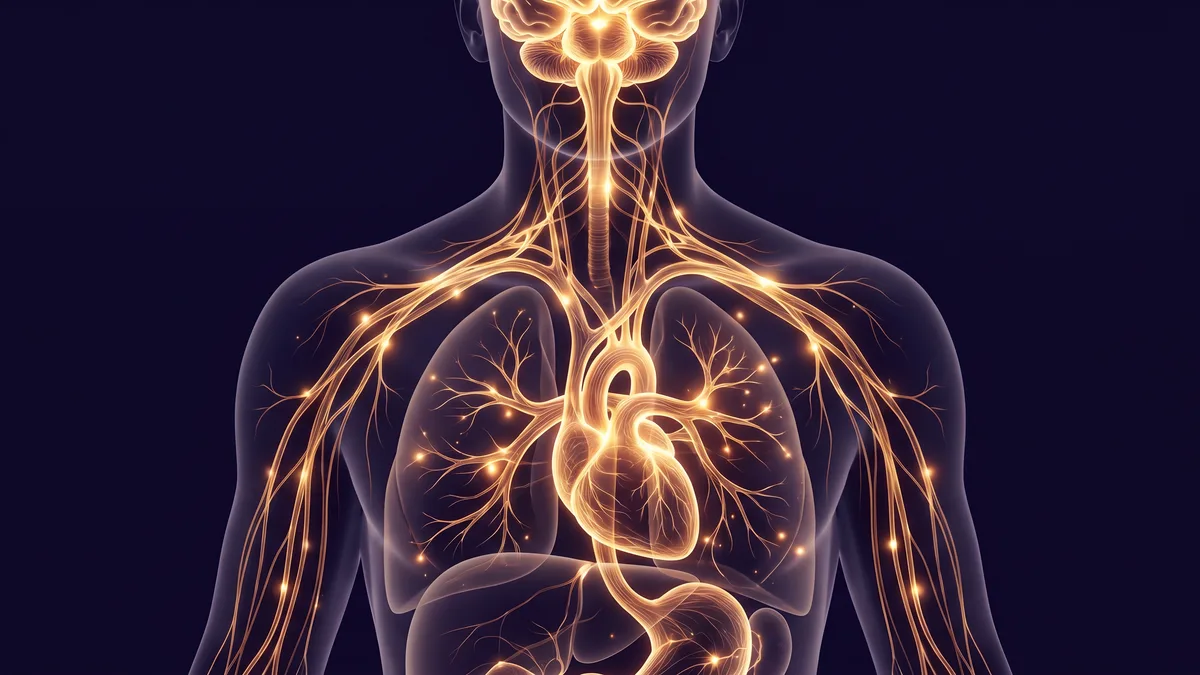
The body is not just a physical structure; it is a repository of wisdom, a living library of our personal and ancestral history. Every cell in our body is imbued with an intelligence that is far beyond the comprehension of the conscious mind. The Eastern traditions have always recognized this, developing sophisticated systems of medicine, like Ayurveda and Traditional Chinese Medicine, that are based on a deep and layered understanding of the body’s subtle energies. These traditions do not see the body and mind as separate entities, but as two aspects of a single, unified field of intelligence. A symptom in the body is never just a physical problem; it is always a reflection of a deeper imbalance in the whole system.
When we are struggling with a symptom like tinnitus, it is an invitation to turn our attention inward, to listen to the wisdom of our own bodies. What is the body trying to tell us? Is there a need for more rest, for better nutrition, for more movement? Is there a need to release old emotional patterns that are stored in the tissues of the body? Is there a need to reconnect with the natural world, to feel the earth beneath our feet and the sun on our skin? The body is always speaking to us, but we have often forgotten how to listen. The practice of embodiment, of bringing a mindful and loving attention to the sensations of the body, can help us to reawaken this dormant capacity.
Another option worth considering is the Full Catastrophe Living by Jon Kabat-Zinn (paid link). For those looking for a deeper approach, Full Catastrophe Living is worth reading.
“The most sophisticated defense mechanism is the one that looks like wisdom.”
This is a sobering and important reminder. We can use our spiritual practices and our intellectual understandings as a way to avoid the messy and uncomfortable reality of our own embodied experience. We can talk a good game about acceptance and compassion, while continuing to live in a state of subtle dissociation from our bodies. True wisdom is not an abstract concept; it is a lived and embodied reality. It is the willingness to feel what we feel, to be with what is, and to trust in the inherent intelligence of our own being.
The Unfolding Path
The Eastern approach to symptoms as teachers is not a quick fix or a magic bullet. It is a path, a journey, a lifelong process of learning and discovery. It is a path that asks us to be patient, to be compassionate, and to be willing to not know. It is a path that challenges us to let go of our need for certainty and control, and to embrace the mystery and the ambiguity of life. It is a path that ultimately leads us back to ourselves, to the deep and abiding wisdom that has been waiting for us all along.
So, the next time you are visited by a symptom, whether it is the ringing in your ears or a wave of sadness in your heart, I invite you to pause. Before you reach for the pill, before you rush to the doctor, before you try to fix it or get rid of it, just pause. Take a breath. And ask the question: “What are you here to teach me?” You may be surprised by the answer.
Your Healing Journey: Tools Worth Exploring
While there is no single solution for tinnitus, many people find that the right combination of tools and practices makes a real difference in daily life. Here are some options that align with what we have discussed in this article.
A tool that often helps with this is a Headspace subscription. Check out the Jarrow Formulas B-Right Complex (paid link) and see if it fits your situation.
For those looking for a deeper approach, Full Catastrophe Living is worth reading. Check out the Full Catastrophe Living by Jon Kabat-Zinn (paid link) and see if it fits your situation.
A tool that often helps with this is the Sensate 2 Relaxation Device. Check out the NOW Supplements NAC 600mg (paid link) and see if it fits your situation.
We may earn a small commission from Amazon purchases, which helps support this site at no extra cost to you.
Frequently Asked Questions
Is the Eastern approach a replacement for Western medicine?
No, the Eastern approach is not a replacement for Western medicine, but a powerful and necessary complement to it. Western medicine is incredibly effective at treating acute illnesses and injuries. The Eastern traditions offer a framework for understanding and working with chronic conditions, and for cultivating a state of overall health and well-being. The ideal approach is an integrative one, one that draws on the strengths of both systems to create a more whole-person and thorough path to healing.
What if I don’t believe in the spiritual aspects of these traditions?
You don’t have to believe in anything to benefit from these practices. The practices of mindfulness and meditation are not about adopting a new set of beliefs, but about exploring the nature of your own mind and experience through direct, first-hand investigation. The benefits of these practices, such as reduced stress, improved emotional regulation, and a greater sense of well-being, have been well-documented by modern science. You can approach these practices as a form of mental and emotional hygiene, a way to care for your inner world in the same way that you care for your physical body.