
The Inner Ocean and Its Tides
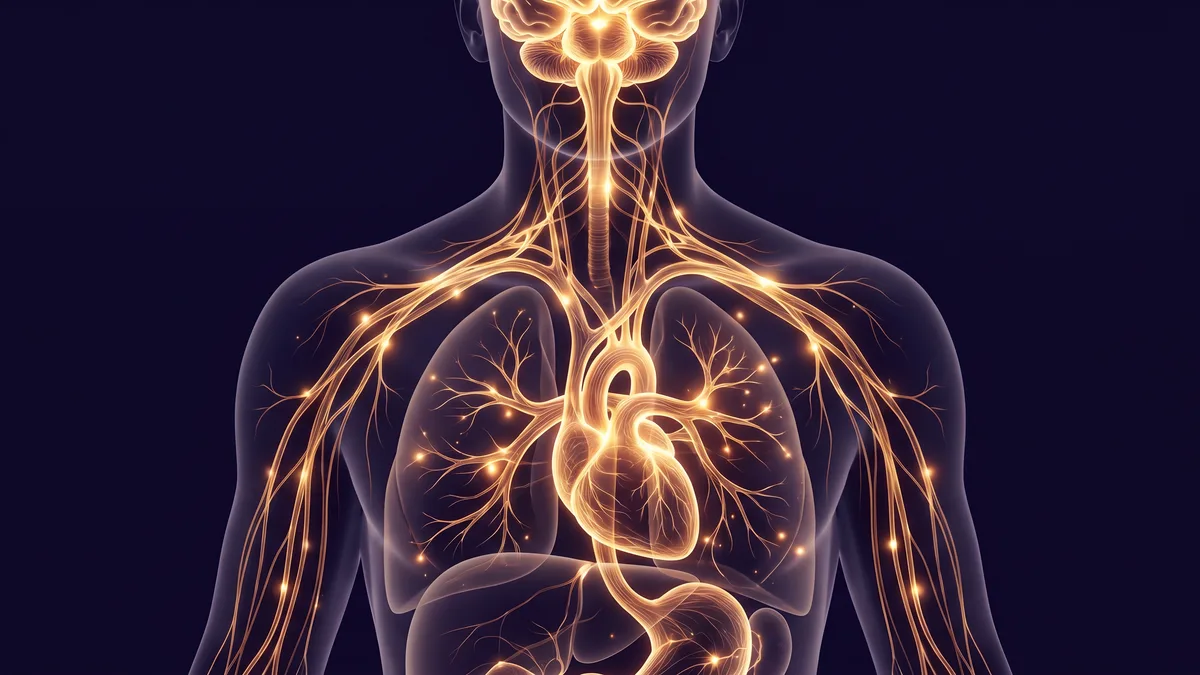
The work of the neuroscientist Richard Davidson at the Center for Healthy Minds has provided us with a wealth of data on how contemplative practices can reshape the brain, but the core insight can be extended to the very fluids that bathe our cells. Imagine for a moment that the body is not a solid, fixed entity, but a vast, internal ocean, a saline solution remarkably similar to the primordial seas from which all life emerged. This inner ocean has its own tides, its own currents, its own delicate balance of minerals and electrolytes that governs the electrical signaling of every neuron in the nervous system. The notion that we could drastically alter the composition of this fluid, particularly its concentration of sodium, without affecting the complex functioning of the brain and the auditory system, is a curious form of denial. The low-sodium approach to tinnitus management is not a fringe dietary quirk; it is a direct application of basic physiology, an acknowledgment that the health of our inner ocean is inextricably linked to the clarity of our perception.
The connection between high sodium intake and various health problems, such as hypertension and cardiovascular disease, is well-established. And this is the part nobody talks about. The mechanisms by which excess sodium can influence tinnitus are rooted in the delicate fluid dynamics of the inner ear. The cochlea, the spiral-shaped organ of hearing, is filled with a fluid called endolymph, which has a very specific and tightly regulated ionic composition. When we consume a diet excessively high in sodium, it can disrupt this delicate balance, altering the pressure within the cochlea and interfering with the normal function of the hair cells that transduce sound vibrations into neural signals. This disruption can lead to a state of cellular stress and excitability, which may either generate the phantom sound of tinnitus or increase a pre-existing signal, making it more intrusive and distressing.
The nervous system doesn't respond to what you believe. It responds to what it senses.
Meniere's Disease and the Sodium Connection
The most dramatic illustration of the link between sodium and auditory symptoms comes from the study of Meniere's disease, a disorder of the inner ear that causes episodes of vertigo, hearing loss, and, very often, severe tinnitus. While the exact cause of Meniere's is still a subject of research, it is widely believed to involve a condition called endolymphatic hydrops, which is essentially a buildup of excess fluid in the cochlea, leading to increased pressure and a disruption of normal function. One of the cornerstones of managing Meniere's disease is the strict adherence to a low-sodium diet, a recommendation born from the clinical observation that high sodium intake can trigger or worsen the debilitating symptoms of the condition. I know, I know. It seems too simple to be true.
While tinnitus that occurs without the other symptoms of Meniere's is a different condition, the underlying principle remains highly relevant. The inner ear is a closed system, exquisitely sensitive to changes in fluid pressure and ionic balance. A diet laden with the high levels of sodium found in processed, packaged, and restaurant foods places a significant and unnecessary burden on the kidneys' ability to regulate the body's fluid and electrolyte balance. Over time, this can contribute to a state of systemic fluid retention and increased blood pressure, which can, in turn, affect the delicate microcirculation that supplies the cochlea. A client once described the shift to a low-sodium diet as feeling like a ‘subtle, internal pressure had been released,’ a description that beautifully captures the physiological reality of what is occurring.
One option that many people like is the Sunbeam Heating Pad. Many readers have found the Chamomile Tea by Traditional Medicinals (paid link) helpful for this.
Stop pathologizing normal human suffering. Not everything requires a diagnosis.
Navigating the World of Hidden Salt
Adopting a low-sodium approach is not as simple as just putting away the salt shaker. The vast majority of sodium in the modern diet comes not from the salt we add at the table, but from the enormous quantities hidden in processed and prepared foods. It is in the bread, the canned soups, the frozen dinners, the cured meats, the cheese, and the condiments. Learning to read food labels becomes an essential skill, a practice of mindfulness that brings a new level of awareness to what we are putting into our bodies. It requires a shift away from the convenience of packaged goods and toward a diet based on fresh, whole ingredients that we prepare ourselves, which gives us complete control over the amount of sodium we consume. It is a return to the kitchen, a return to the simple, foundational act of cooking as a form of self-regulation.
This transition can be challenging at first, as our palates have often been conditioned to expect a high level of saltiness. Foods may taste bland or uninteresting initially. But over time, something remarkable happens. As the taste buds adapt, they become more sensitive, and we begin to appreciate the subtle, complex flavors of the foods themselves, flavors that were previously masked by the overwhelming taste of salt. The sweetness of a roasted carrot, the earthiness of a mushroom, the bright acidity of a tomato~ these things come alive in a new way. In my years of working in this territory, I have seen this transition become a gateway to a much richer and more sensual relationship with food, a journey of discovery rather than one of deprivation.
The most sophisticated defense mechanism is the one that looks like wisdom.
Beyond Sodium- The Importance of Potassium
The focus on sodium is only half of the story. The other crucial piece of the puzzle is potassium, the mineral that works in tandem with sodium to maintain the body's fluid balance and to help the electrical signaling of nerves. The sodium-potassium pump is a fundamental mechanism in virtually every cell in the body, and its proper function depends on an appropriate ratio of these two minerals. The ancestral human diet was very high in potassium, found abundantly in fruits, vegetables, and tubers, and very low in sodium. The modern diet has completely inverted this ratio, a dramatic shift that has significant consequences for our cellular health. A low-sodium diet is therefore not just about what you remove, but also about what you add.
By increasing our intake of potassium-rich foods like leafy greens, avocados, bananas, and sweet potatoes, we can help to counteract the effects of sodium and support the body's natural ability to regulate fluid balance. Potassium helps the kidneys to excrete excess sodium, which can lead to a reduction in blood pressure and a lessening of fluid retention throughout the body, including in the delicate structures of the inner ear. This dual approach, lowering sodium while increasing potassium, is a far more powerful and whole-person strategy than simply focusing on sodium restriction alone. It is about restoring a fundamental, ancestral balance that has been lost in the noise of modern food processing.
Another option worth considering is the Shiatsu Neck and Back Massager (paid link). For those looking for a simple solution, a Shiatsu Neck and Back Massager works well.
Your Healing Journey: Tools Worth Exploring
While there is no single solution for tinnitus, many people find that the right combination of tools and practices makes a real difference in daily life. Here are some options that align with what we have discussed in this article.
One option that many people like is the Sunbeam Heating Pad. Check out the Jarrow Formulas B-Right Complex (paid link) and see if it fits your situation.
For those looking for a simple solution, a Shiatsu Neck and Back Massager works well. Check out the Shiatsu Neck and Back Massager (paid link) and see if it fits your situation.
We may earn a small commission from Amazon purchases, which helps support this site at no extra cost to you.
Frequently Asked Questions
What is considered a 'low-sodium' diet?
For the general population, the recommended upper limit for sodium intake is typically around 2,300 milligrams per day. For individuals who are sensitive to sodium or who are trying to manage conditions like hypertension or Meniere's disease, a lower target of 1,500 milligrams per day is often recommended. To put that in perspective, a single teaspoon of table salt contains about 2,300 milligrams of sodium.
Will I get enough sodium if I don't add salt to my food?
Yes. Sodium is a naturally occurring mineral that is present in small amounts in many whole foods, such as vegetables and meats. A diet based on unprocessed, whole foods will naturally provide all the sodium that the body needs for its essential functions. The risk in the modern world is not of sodium deficiency, but of massive sodium excess.
Are sea salt or Himalayan pink salt healthier than regular table salt?
While unrefined salts like sea salt and Himalayan salt do contain a broader range of trace minerals than regular iodized table salt, they are still composed primarily of sodium chloride. From the perspective of fluid balance and blood pressure, your body treats them in essentially the same way. While they may be preferable for their mineral content and flavor, they should still be used in moderation.
Can a low-sodium diet help with all types of tinnitus?
The degree to which a low-sodium diet will help can vary depending on the underlying cause of the tinnitus. It is likely to be most effective for individuals whose tinnitus is related to fluid pressure issues in the inner ear, such as in Meniere's disease, or for those who also have high blood pressure. However, since a low-sodium, high-potassium diet based on whole foods is beneficial for overall health and nervous system regulation, it can be a supportive strategy for almost anyone.
What are some easy ways to reduce sodium in my diet?
Start by reading labels on all packaged foods. Choose fresh or frozen vegetables over canned versions. Cook at home more often so you can control the ingredients. Use herbs, spices, citrus juice, and vinegar to flavor your food instead of relying on salt. Be especially mindful of condiments like soy sauce, ketchup, and salad dressings, which can be very high in sodium.
A Tender Conclusion
The path of exploring a low-sodium diet is an invitation to a quieter way of being, both internally and externally. It is a turning away from the loud, aggressive flavors of processed foods and a turning toward the subtle, inherent wisdom of the body. It asks for a new kind of attention, a new kind of care, a willingness to listen to the body's quiet signals about what it truly needs to find its own equilibrium. This journey is not about perfection, but about a gentle and consistent movement in the direction of balance. By tending to the health of our inner ocean, we create the conditions for the tides of our perception to become less turbulent, and for a sense of stillness to emerge that is not dependent on the absence of sound, but is found in the very heart of it.
Stillness is not something you achieve. It's what's already here beneath the achieving.